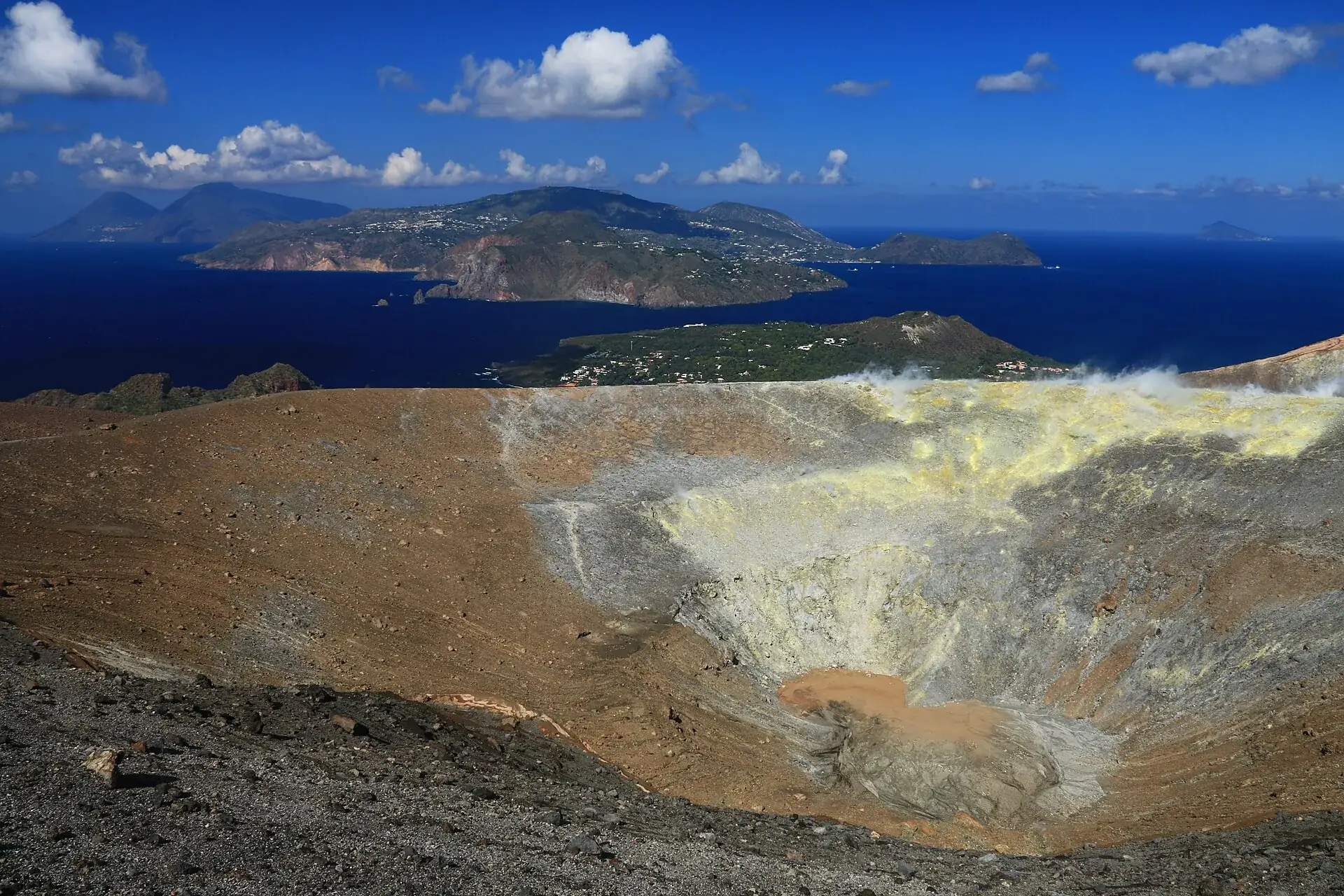
The crater is dormant, but it steams. Three INGV cameras keep watch, one of them in infrared.
Photo: Benjamin Smith · CC BY-SA 4.0
The situationVulcano live: what the crater is doing right now
The official alert level from Italy's civil protection department, fetched automatically every morning. Whether the trail to the crater rim is open is also governed by the traffic light at the trailhead in Vulcano Porto; see Vulcano.
The camerasVulcano live cams: three views of La Fossa
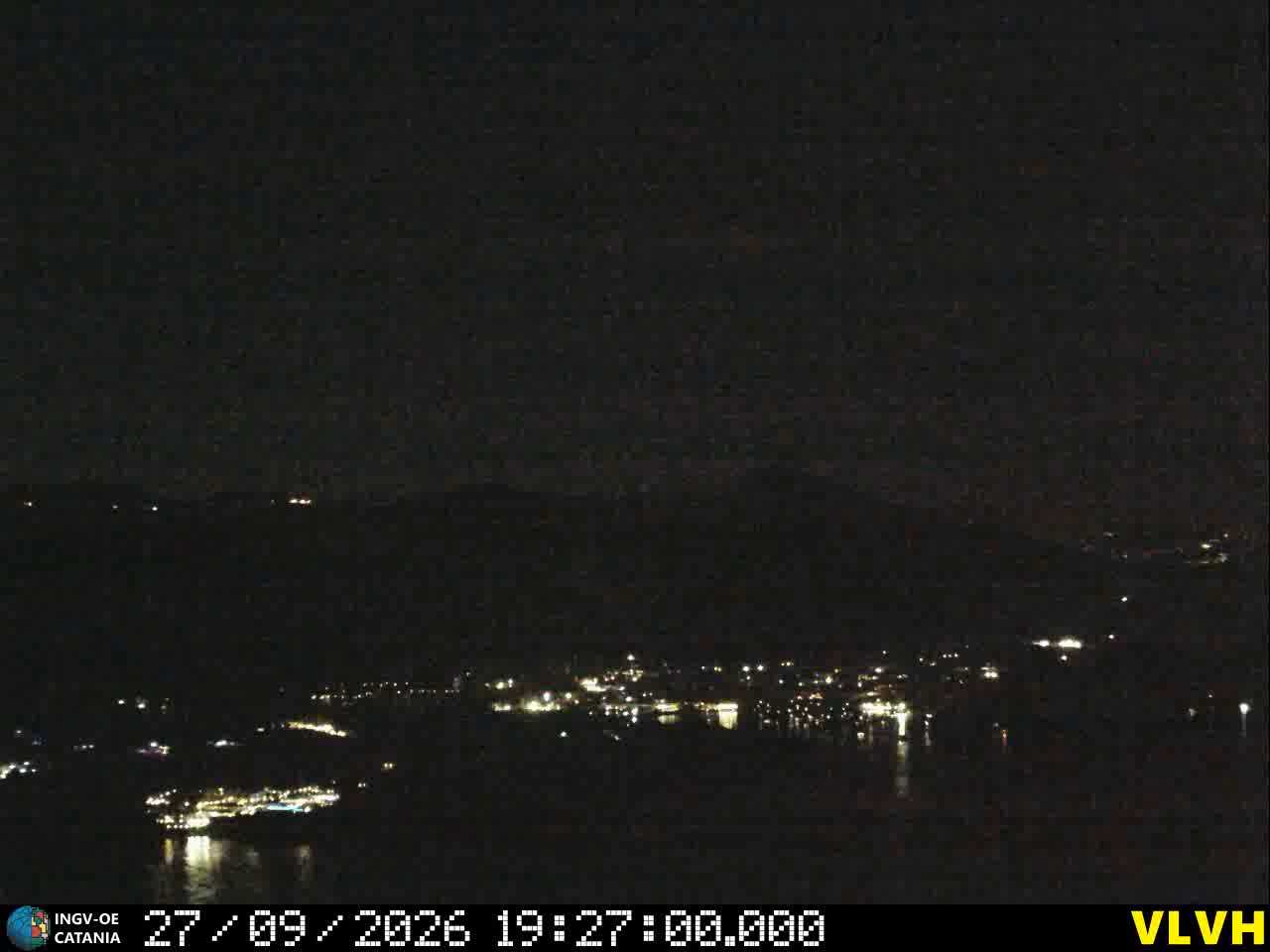
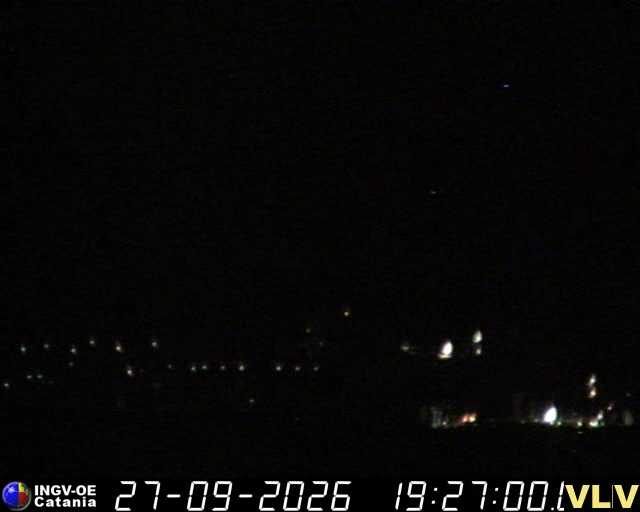
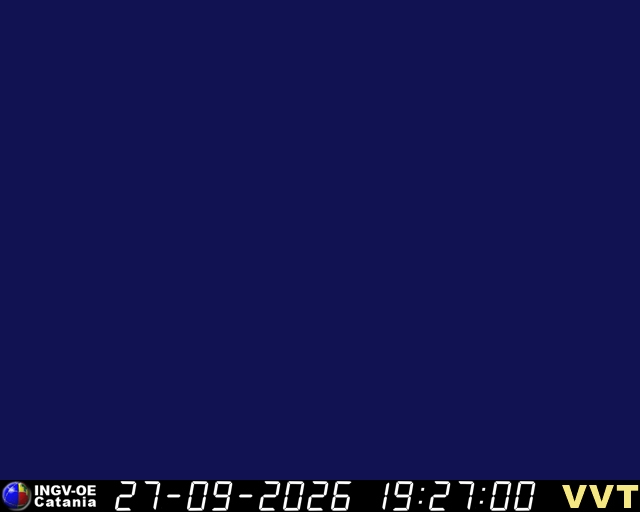
All cameras belong to the Istituto Nazionale di Geofisica e Vulcanologia, Catania section. They are monitoring cameras, not scenic ones: they show the Fossa cone with the fumarole field on its northern rim, because that is where the gases INGV measures escape. A code ending in V is a visible-light camera; one ending in T is a thermal camera.
La Fossa above Porto di LevanteThe wide view: the Vulcanello peninsula at bottom left, the houses of Porto di Levante in the middle, and behind them the cone of the Gran Cratere with the pale fumarole field on the rim. This is how the mountain looks from the hydrofoil just before it docks.The capture time is printed in the image, in UTC · INGV Osservatorio Etneo (CC BY 4.0)The northern flank up closeThe same direction, framed tighter: the yellow-white stained flank below the fumarole field and the bay with the rock in the water. White steam above the rim is normal; whether there is more of it than usual shows only in comparison with the previous day.The capture time is printed in the image, in UTC · INGV Osservatorio Etneo (CC BY 4.0)Thermal image of La FossaThe thermal camera on the same cone. Color here is temperature, not light: cool blue is the normal state, brighter patches mark the hot fumaroles. At night and in fog this camera sees more than any other.The capture time is printed in the image, in UTC · INGV Osservatorio Etneo (CC BY 4.0)
Still images, not live streams: we fetch them ourselves every 30 minutes and store them here, so no request leaves your browser for another server. Times in UTC.
Reading the imagesWhat the Vulcano webcam shows, and what it does not
Steam is not an eruption
La Fossa has been quiet since 1890, but it degasses constantly. The white plume above the rim is everyday business, and its size also depends on humidity and wind. What counts are INGV's measurements, not the size of the cloud.
The fumarole field stays off limits
The pale zone on the northern rim of the crater is the closed zone: carbon dioxide escapes there and collects in hollows. The permitted trail passes the field, whatever the camera shows.
One image every 30 minutes
We fetch the still images every 30 minutes; the time printed in the image is UTC, one hour behind Italian winter time and two hours behind summer time on the islands.
The images come from INGV Osservatorio Etneo and are licensed under Creative Commons Attribution 4.0 (Note Legali on ingv.it). We fetch them ourselves every 30 minutes and store them on our own server, so viewing them opens no connection to third-party servers. If a camera fails, a notice takes its place.