Volcano·Guide
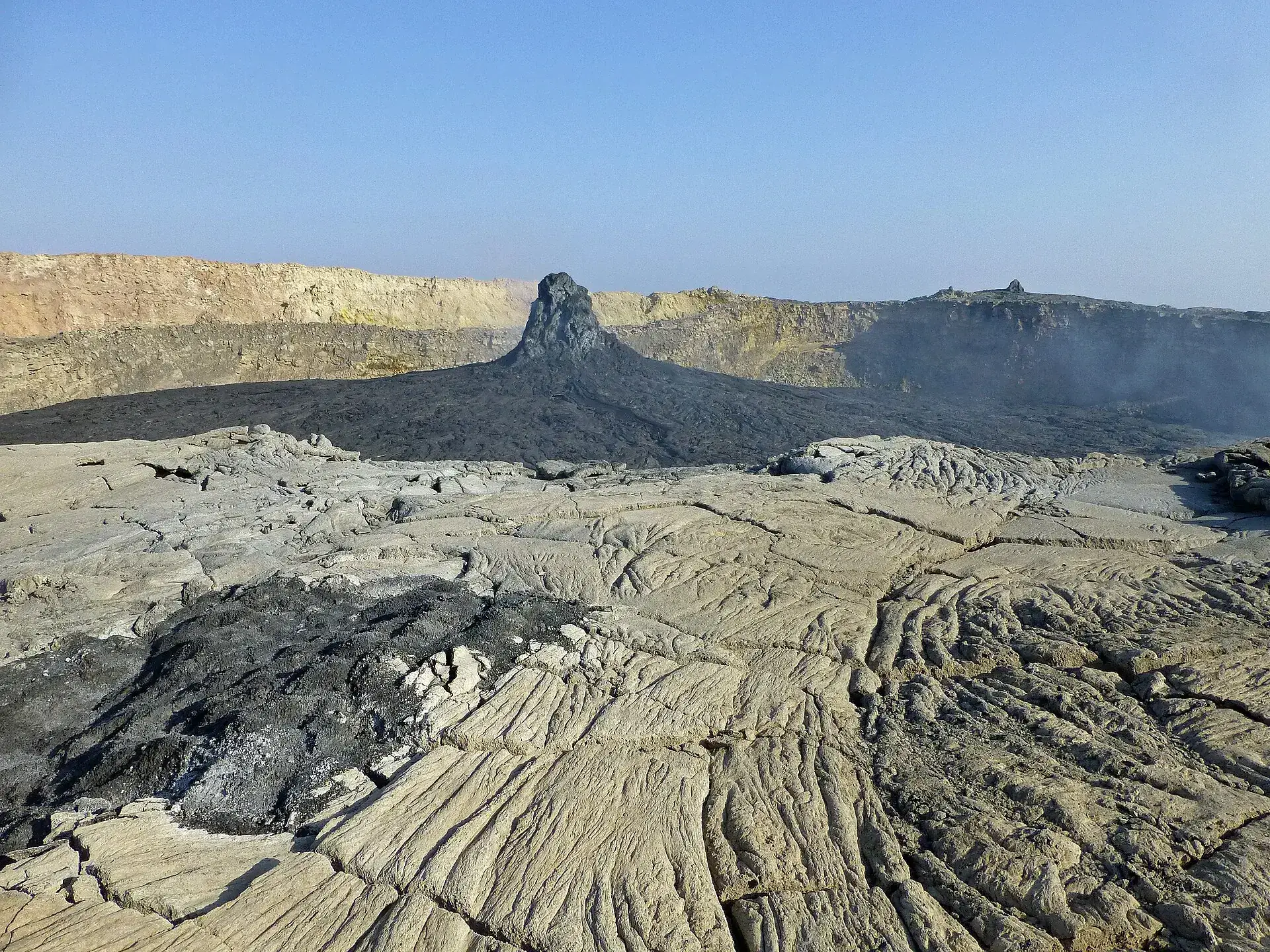
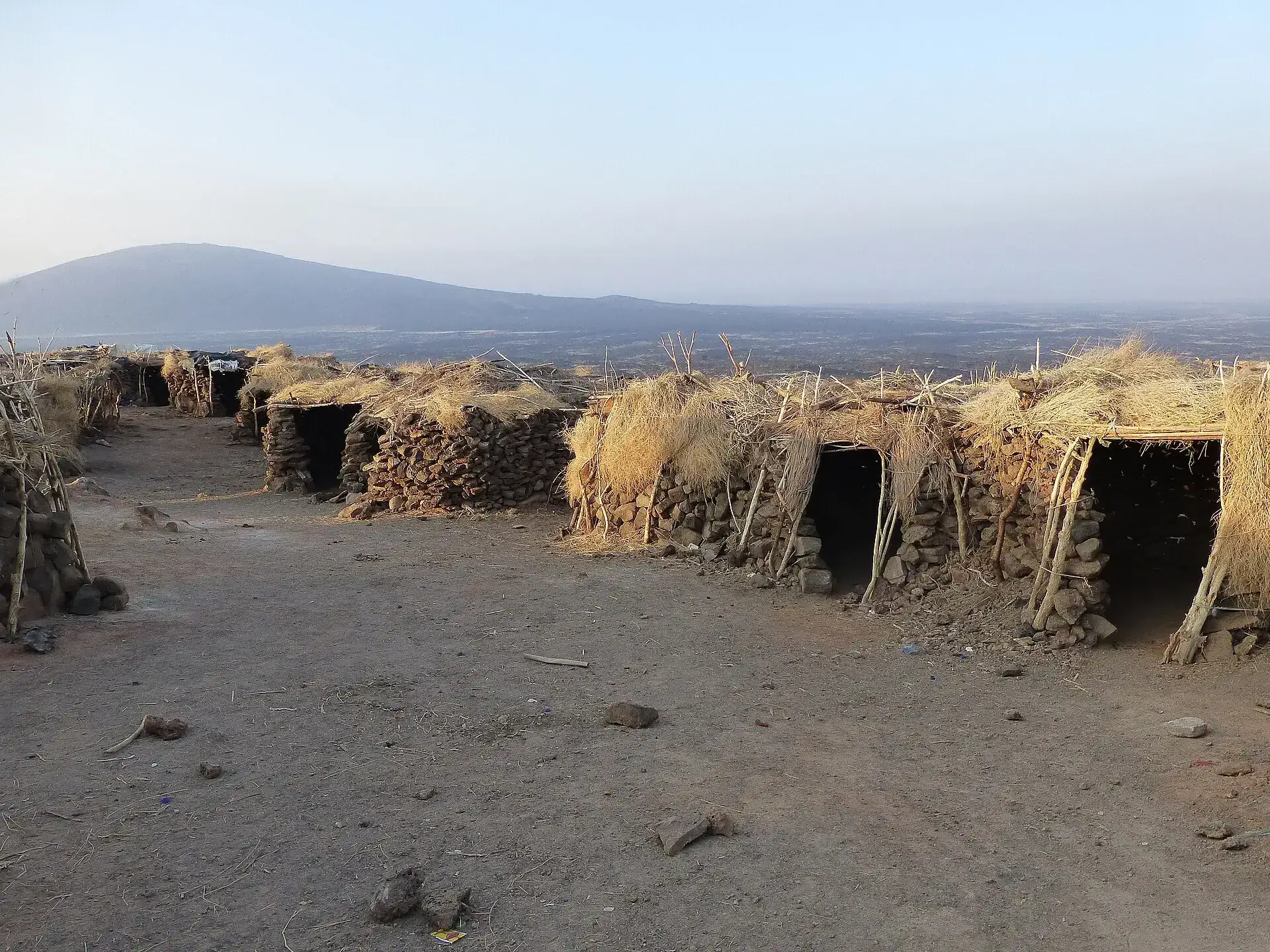
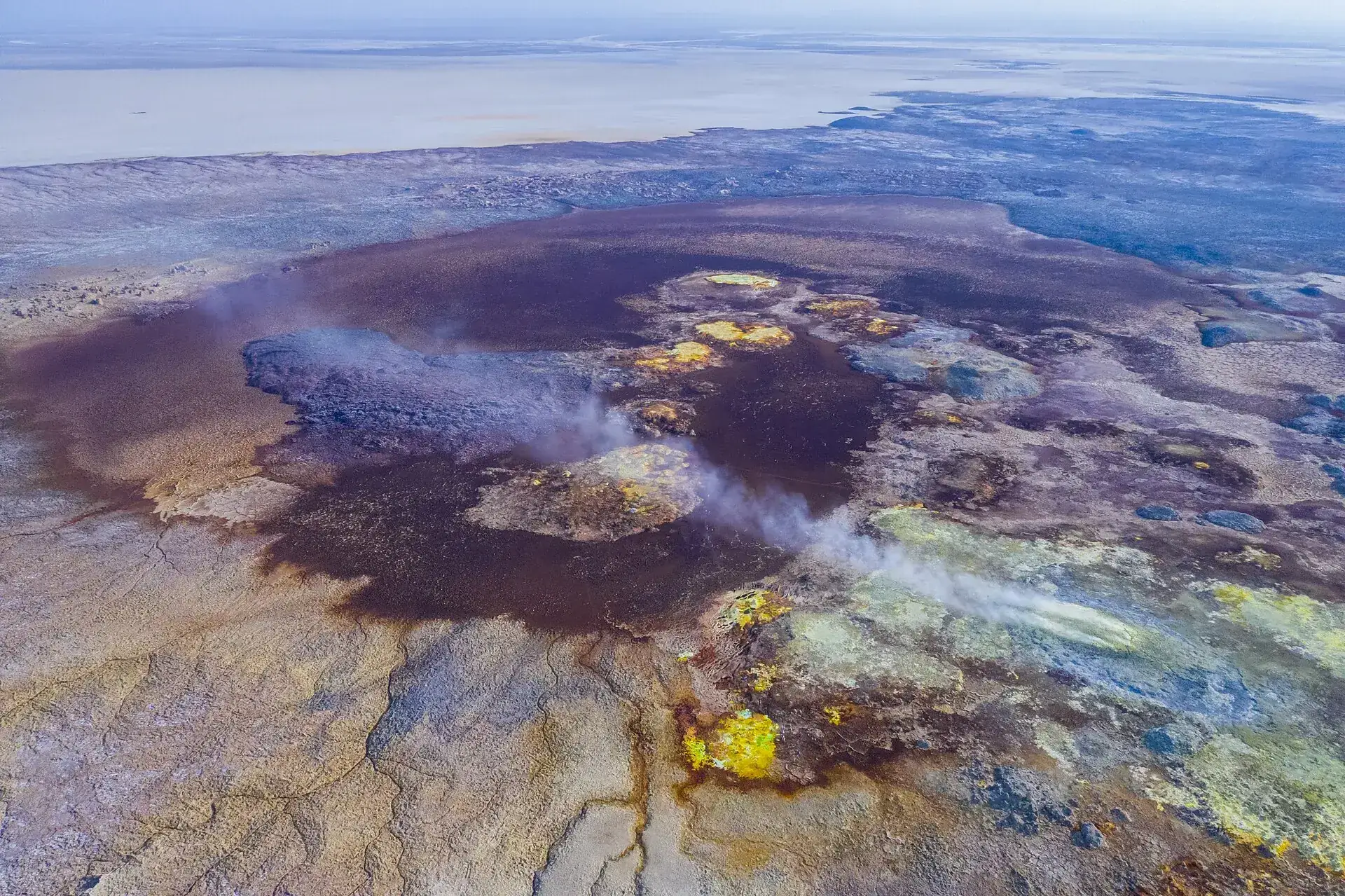
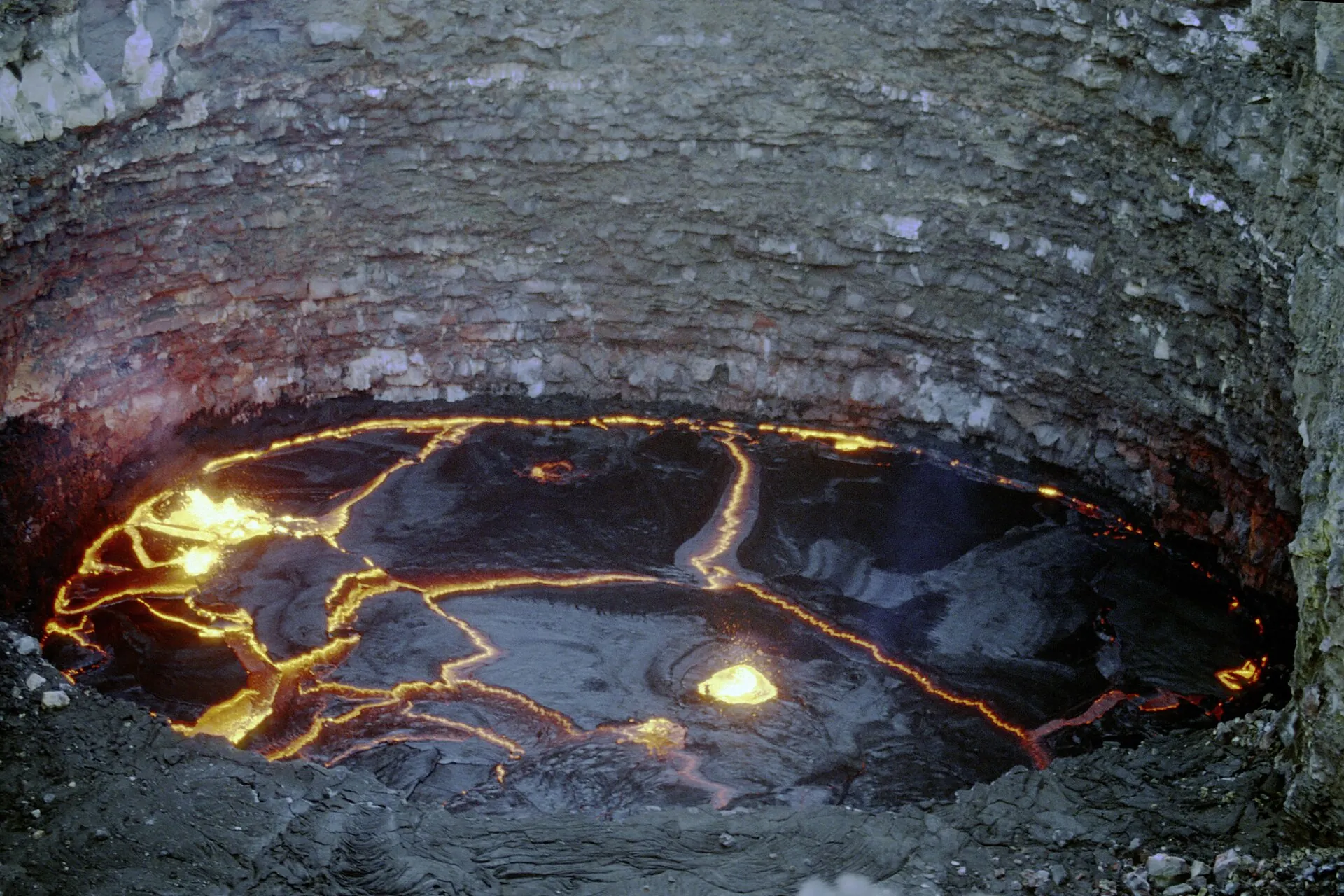
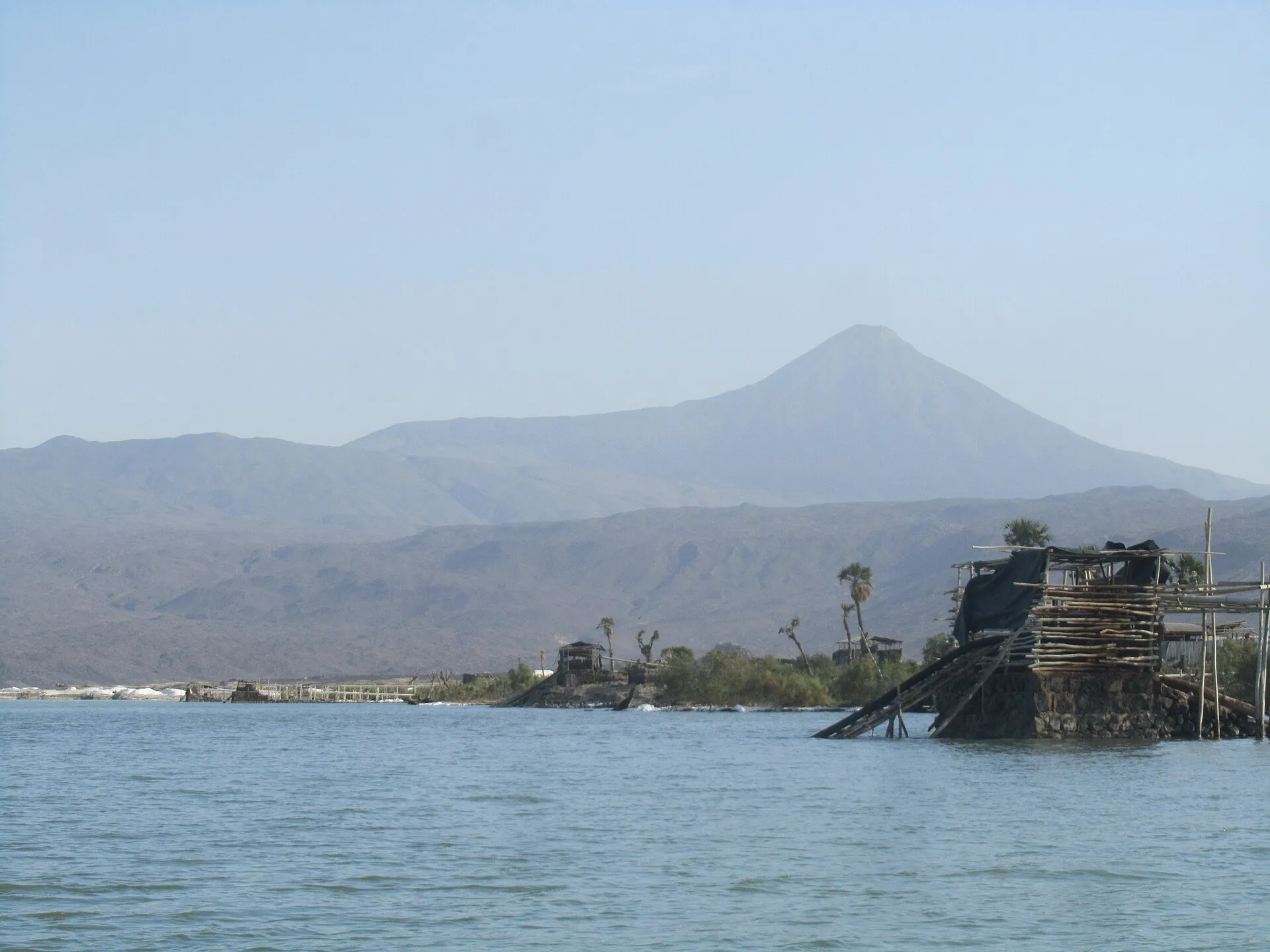
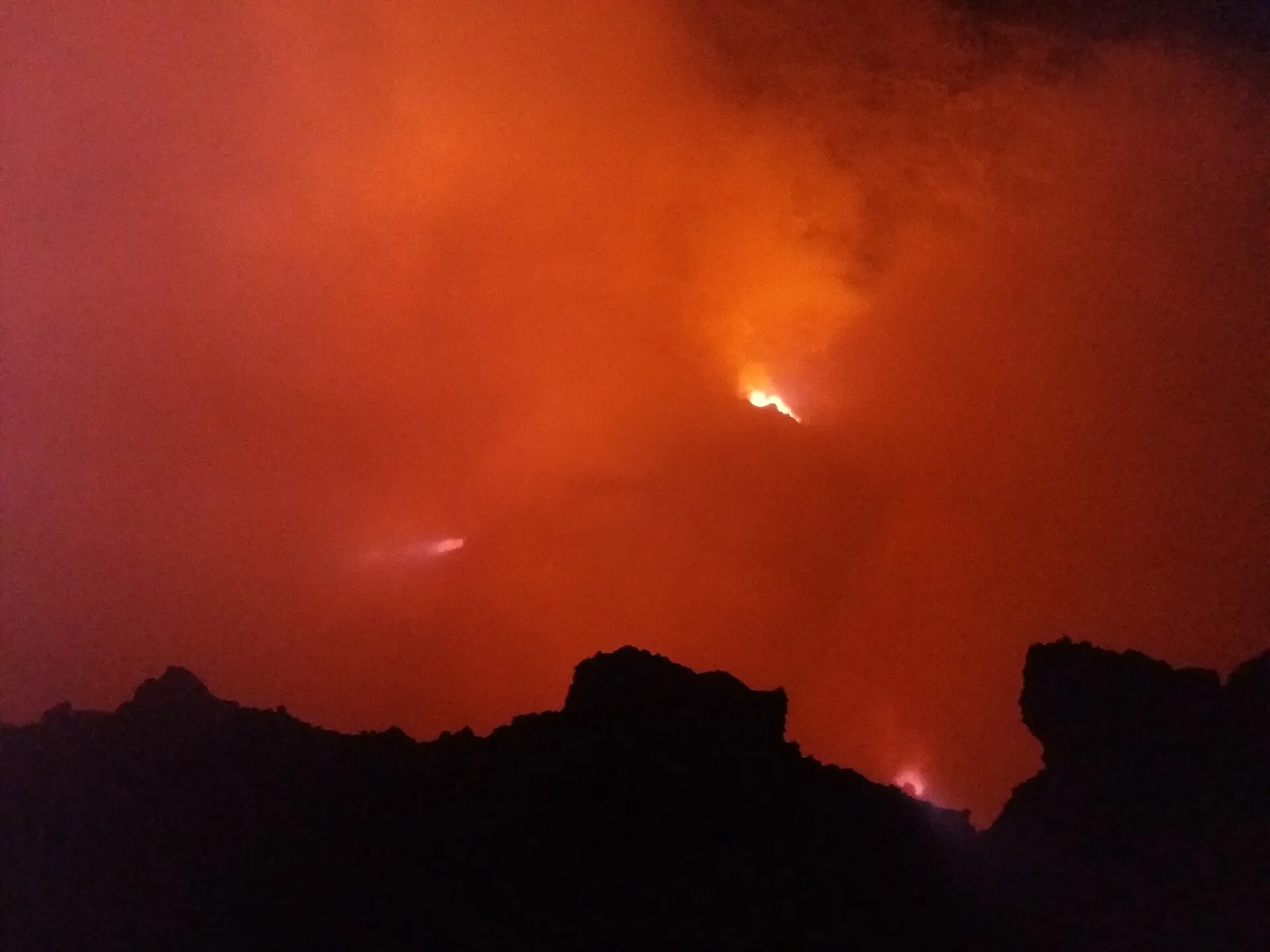
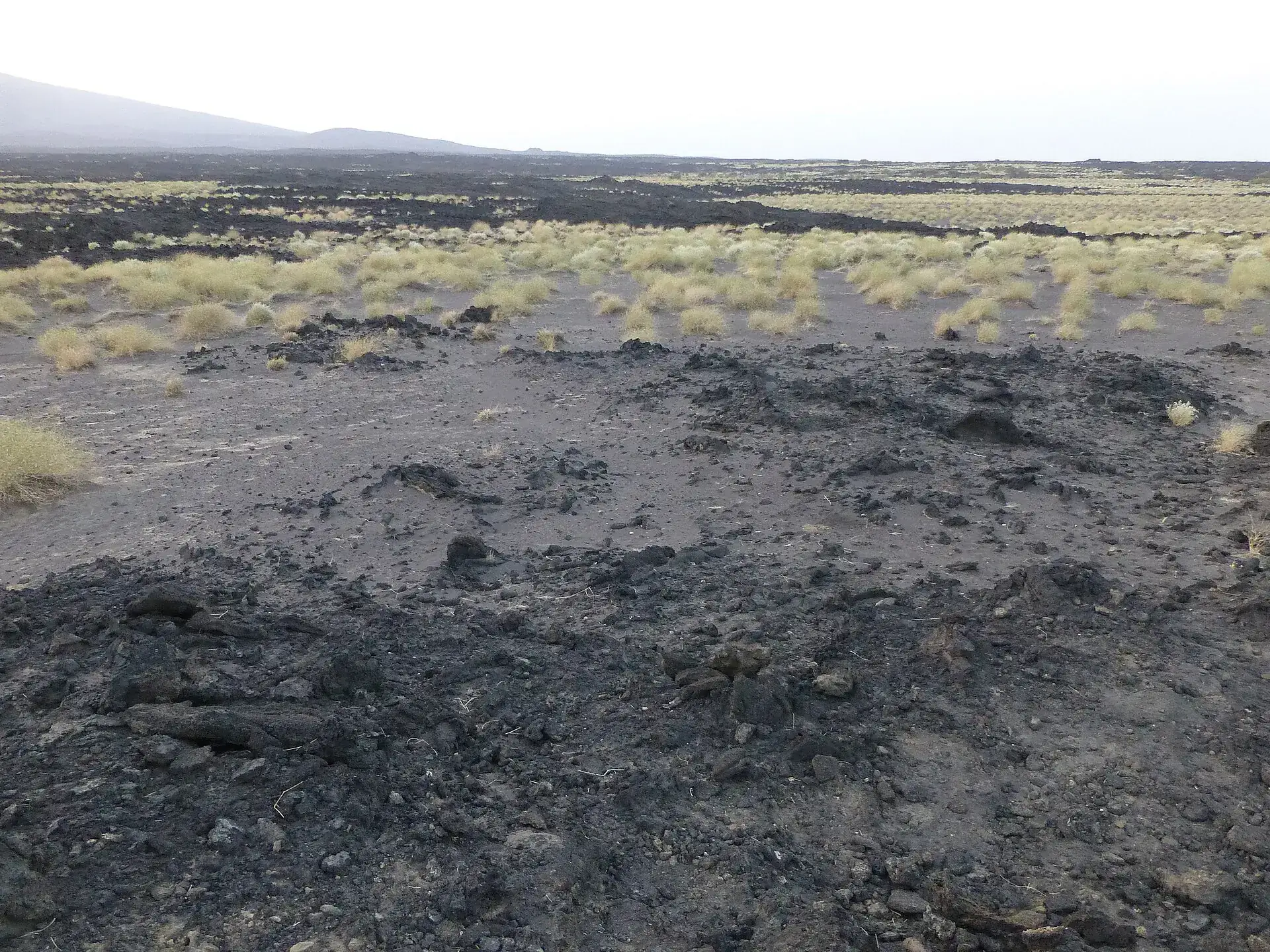
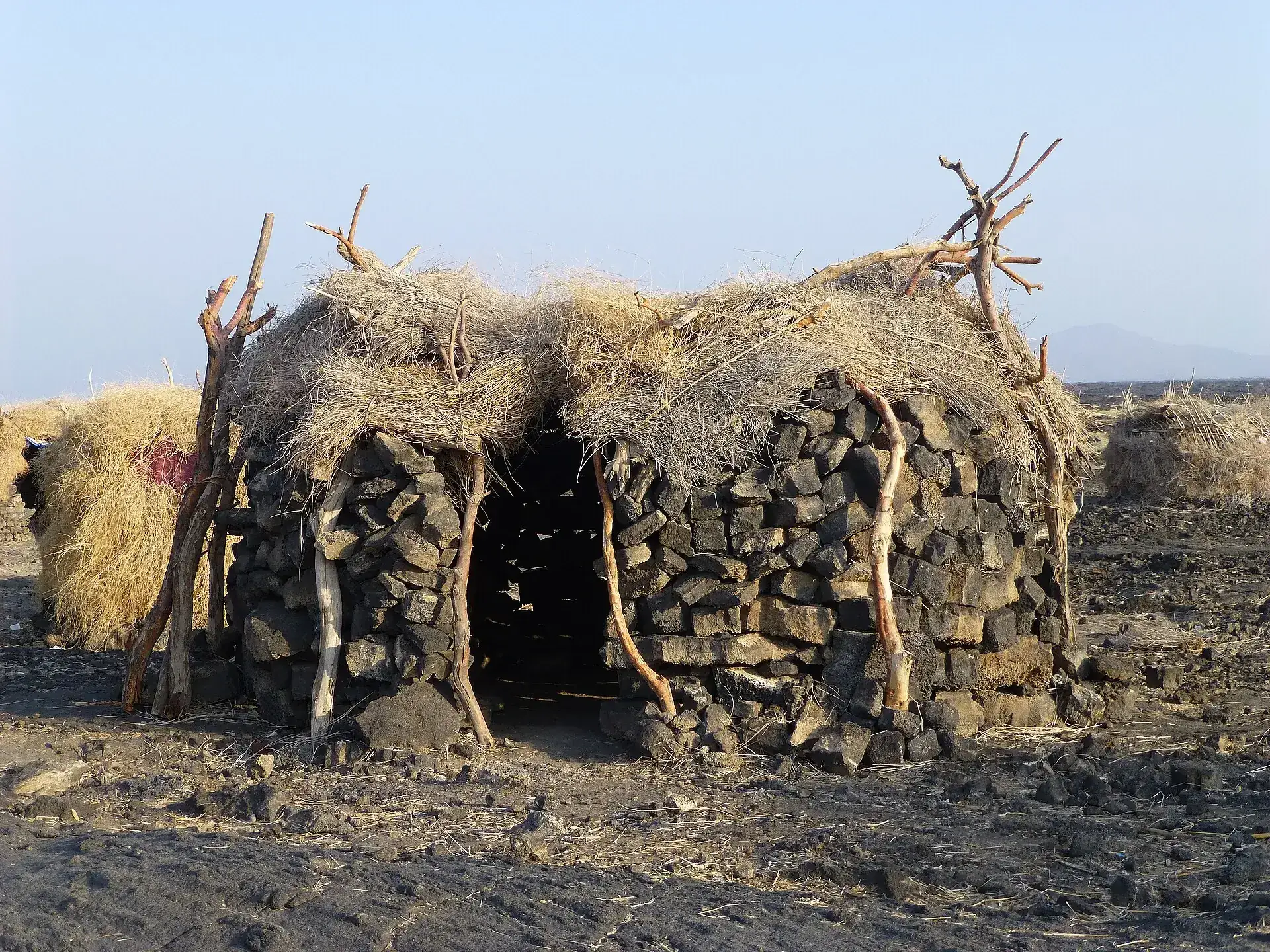
A black lava field with yellow tufts of grass at the foot of Erta Ale, the flat outline of the shield volcano in the haze A stone hut with a thatched roof at the Dodom base camp below Erta Ale, the flat Danakil plain behind it The crater floor of Erta Ale: a dark hornito rises from frozen lava, steam drifting from the collapsed north crater on the right

Erta Ale

Ten kilometers of black lava lie between the base camp and the mountain.

At Dodom you wait for darkness – by day it is above 40 °C.

At the top a hornito stands in the frozen lake. Fire is not guaranteed.

Scroll –
the last six miles

As of 23 September 2026Erta Ale today: travel warnings – and no lava lake

Two things before the volcano itself. First, security: the German Federal Foreign Office warns (as of 22 September 2026, unchanged since 11 August 2026) explicitly against travel to the Afar zones Kilbet Rasu and Fanti Rasu and to Tigray, and calls the Tigray–Afar border area 'increasingly unstable'. Since 1 April 2026 the US State Department has rated the entire Afar region 'Do Not Travel'. Austria: level 4 for Tigray and the Afar–Eritrea border area, level 3 for the rest of Afar. Second, the mountain: the famous lava lake is gone. After the dike eruption of July 2025, which collapsed a pit about 400 m wide in the north crater, and the events through January 2026, there is no permanent lava lake left – only hornitos, low lava output and steam. Guides on the ground expect years before there is anything to see.

Travel warning

The Afar zones Kilbet Rasu and Fanti Rasu

A partial travel warning from the German Federal Foreign Office: armed groups have expanded their presence, there was fighting in Tigray in January 2026, and the roads carry checkpoints run by the army, militias and local people. Dallol is documented as lying in Kilbet Rasu, and Erta Ale is generally understood to as well.

Many insurance policies exclude areas under a travel warning – read yours before booking.
No guarantee

The crater since July 2025

No permanent lava lake. As of February 2026 observers report several active hornitos, low lava output and degassing in the collapsed north crater. Whether anything glows at night is decided on the spot – and operators refund nothing when the crater only smokes.

There is no Ethiopian alert level; the state of the volcano is only tracked scientifically.
Not allowed

Going into the Danakil on your own

Independent travel is not authorized. Without an Afar regional permit, an Afar guide from the community and an armed escort, nobody gets through the checkpoints. There are no public roads, no public transport and no supplies.

Regional permit about $30, escort about $20 a day – both included in the tour price
Sources: German Federal Foreign Office travel and safety advice for Ethiopia, as of 22 September 2026 (unchanged since 11 August 2026) · US Embassy Addis Ababa / State Department advisory of 1 April 2026 (Ethiopia Level 3, Afar 'Do Not Travel') · Austrian foreign ministry, as of 22 September 2026 · VolcanoCafe, 25 July 2025, on the dike eruption · Volcano Live (summary as of 02/2026) · Berahle Wereda district site (as of 10/2025) for permit and escort. Note: that Erta Ale itself lies in the Kilbet Rasu zone could not be confirmed explicitly in any source retrieved – it is documented for Dallol. If the volcano lies outside the zone, the general advice against non-essential travel in the rest of Afar applies.
Several thatched stone huts on the crater rim of Erta Ale in morning light, the flat Danakil plain beyond
The stone huts on the rim are the whole accommodation – wind, 30 °C and a military post next door.

Photo: Ji-Elle · CC BY-SA 3.0

Ten kilometers in the darkThe night climb up Erta Ale

613 m (2,010 ft) high, a basaltic shield volcano in the middle of the Danakil Depression – the hottest inhabited place on earth, with an annual mean of 41 °C (106 °F). The altitude is harmless. Nothing else is.

The day before is all track: five to six hours from Semera, about six from Mekele, in a convoy of four-wheel drives with an Afar guide, police and soldiers. At the end sits the Dodom base camp, a handful of thatched stone huts at the edge of the lava field.

You set off after sunset, between 5 and 7 pm. Ten kilometers (6 miles), around 500 to 600 m (1,600–2,000 ft) of climbing, three to four hours – over cooled lava that is razor-sharp. Headlamp with spare batteries, sturdy boots, four to six liters of water a day. If you would rather not walk, you hire a camel.

At the top there is a military post, stone huts and a crater basin that has changed enormously since 2017. How close you may get to the collapsed north crater is decided by the escort and the guide – because of the collapse edge and because of the gases. Sulfur dioxide at the crater is not a theoretical problem: a German trip report from October 2025 describes a climb abandoned and symptoms that lasted for weeks. You start down before sunrise, ahead of the heat.

Affiliate links to GetYourGuide: if you book, we earn a commission and the price stays the same. Prices and ratings as of 22 September 2026. The choice here is thin: only the first tour comes close to 50 reviews. And whatever a tour is called, nobody can promise a lava lake, because there is not one at the moment. Before booking, find out whether the tour runs from Semera or from Mekele, and read your government's travel advice.

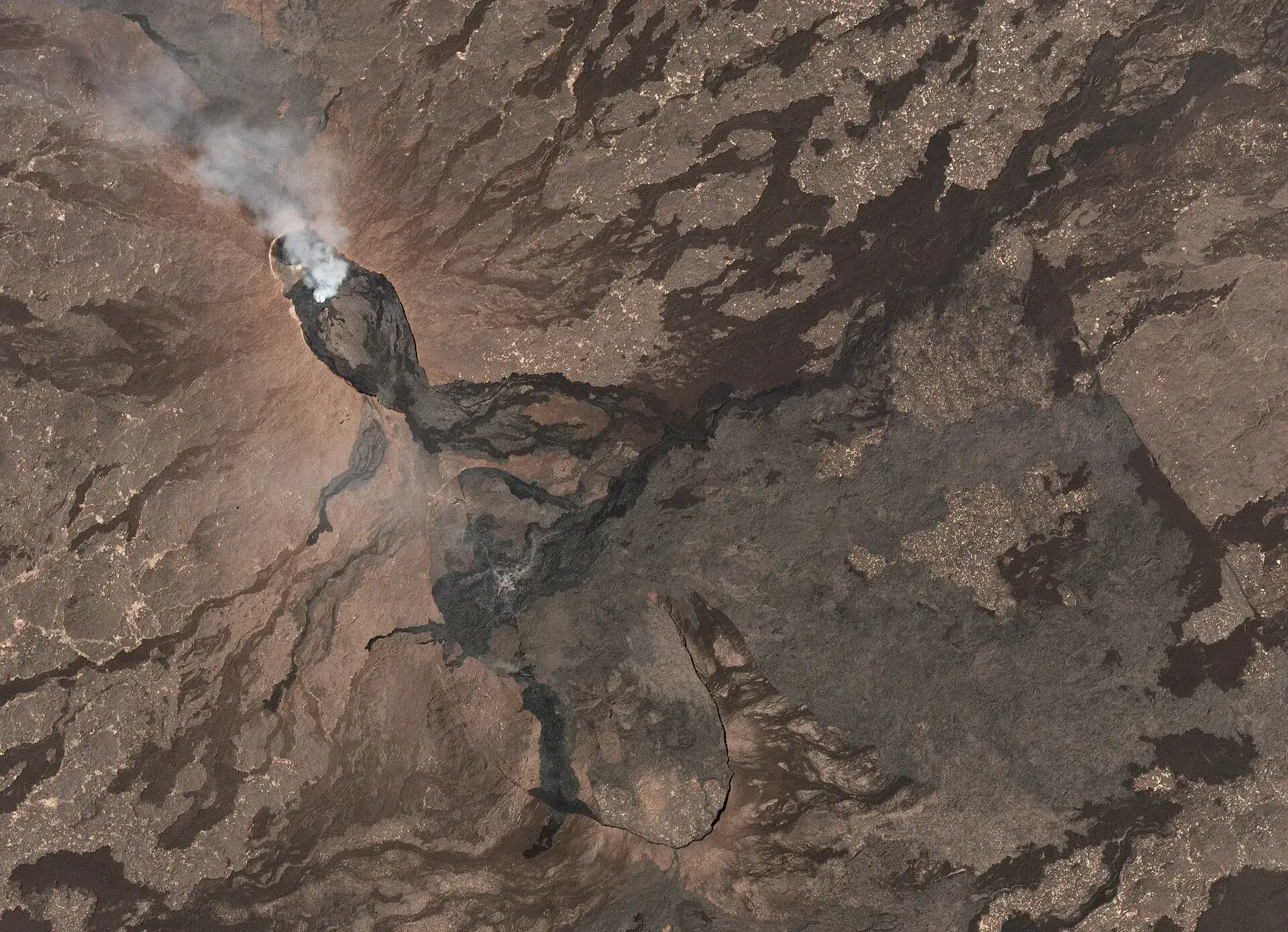
Satellite view of Erta Ale from above: a white steam plume rises from the north crater and dark lava flows run south
From above you can see what the mountain has done in recent years – and where the flows ended up.

Photo: Planet Labs, Inc. · CC BY-SA 4.0

Permit, escort, operatorThe rules in the Danakil

There is no national park here, no ticket office and no ticket. The Afar regional administration and the districts of Zone 2 are in charge. Access is governed by permits and armed escorts – a consequence of the attack in January 2012, when five tourists were killed on the crater rim.

1

Licensed operators only

Tours are run by Ethiopian operators with offices in Mekele or Semera. They obtain the regional permit, provide the convoy and book the escort. Rental cars without a driver and an escort are not let through the checkpoints.

2

Afar guide and armed escort

An Afar guide from the local community is mandatory, along with armed Afar scouts or police and soldiers. Reports describe two soldiers per group plus rotating tribal police; a permanent military post sits on the crater rim.

3

Visa in advance, pay in cash

The Ethiopian e-visa is applied for online at evisa.gov.et ($62 for a 30-day single entry according to visa portals). You pay the operator, usually in US dollars in cash; outside Addis Ababa cards are barely accepted.

4

Season and heat

Tours run November to February, at a stretch October and March. In summer it passes 45 °C (113 °F) and many operators stop. The climb always starts after sunset and the descent before sunrise.

What it costs · as of 08–10/2026 · no official price list exists
Afar regional permit per person, per the Berahle district site, billed through the operatorapprox. $30
Armed escort per group and day, per the Berahle district siteapprox. $20
3-day group tour from Mekele with Erta Ale and Dallol, per person (travel portal, 08/2026) · 2 days without the volcano about $250approx. $350
4-day tour from Semera with Erta Ale, Dallol and Afdera, per person (district site) · plus the Addis–Semera flight at about $200$500–700
Ethiopian e-visa, tourist, single entry 30 days, only through evisa.gov.et$62
European operators, 13-day Ethiopia/Djibouti trip including the Danakil and flights, per personfrom €4,190
Sources: Berahle Wereda district site (Afar Zone 2, as of 10/2025) for the permit and escort fees and the tour prices from Semera · a travel portal (as of 7 August 2026) for the prices from Mekele · visa portals for the e-visa fee · DIAMIR for the European package. There is no official price list; none of these amounts comes from a government source.
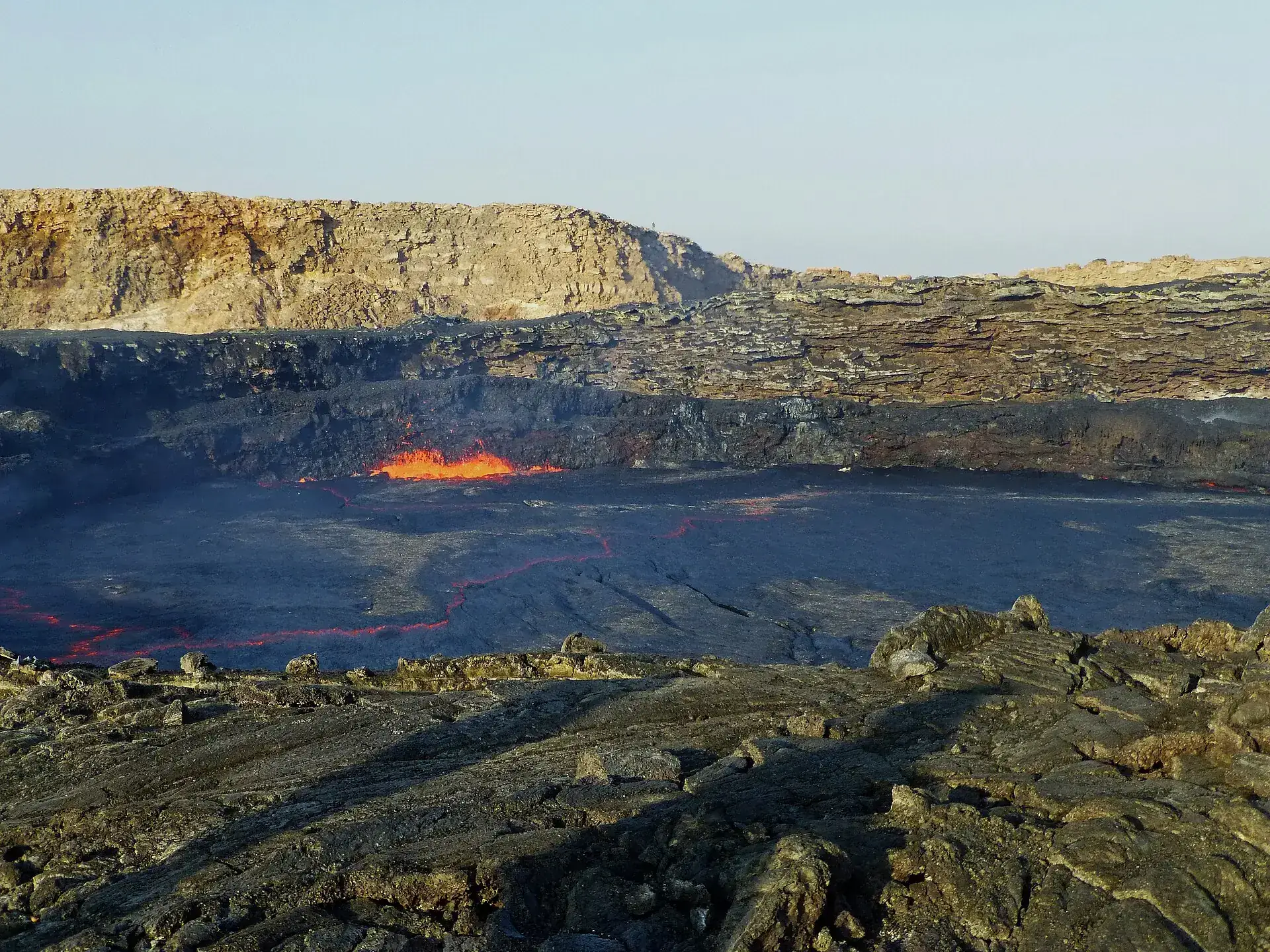
Historic photograph taken before 2025: red lava glows in a fissure at the edge of the dark lava lake inside the crater of Erta Ale
This is how it looked before 2025. Exactly this image still circulates online – the lake itself no longer exists in this form.

Photo: Ji-Elle · CC BY-SA 3.0

Approach and climbThe routes to Erta Ale

Leg → what to expect
Semera → Dodom base camp · about 270 km (168 miles) · 5–6 hoursPaved road via Afdera, then a lava track. Semera is reachable by air from Addis Ababa and has been the usual starting point since the Tigray war. A maximum of three guests per jeep plus driver, guide and escort.
Mekele → Dodom base camp · about 260 km (162 miles) · about 6 hoursVia Abala through the depression. Tigray carries a travel warning, and the route runs through the Tigray–Afar border area described as increasingly unstable. Cheaper, but the riskier option.
Dodom → crater rim · about 10 km (6 miles) · 3–4 hours upStarting between 5 and 7 pm after sunset, around 500 to 600 m of climbing over razor-sharp lava. You sleep in stone huts on the rim and start down 2 to 3 hours before sunrise. A camel can carry your luggage.
The combination: Dallol, Lake Asale, Afdera · 3–4 daysPractically every tour links Erta Ale with Dallol (acid springs, salt terraces, 48 m below sea level), Lake Asale with its camel caravans and – from Semera – Lake Afdera at −103 m. Five to nine hours on rough track each day.
Sources: the official Ethiopian tourism site visitethiopia.et (the climb, distances from Addis), operator descriptions (Brilliant Ethiopia, Magma Flow Tours) and trip reports from 2017 to 2025. Distances, drive times and the elevation of the base camp come from operators and blogs, not from official figures.
Aerial view of the Dallol hydrothermal field: yellow, green and rust-red salt terraces around a dark crater, steam above the springs
Dallol, 48 meters below sea level: acid springs with a pH below zero – and the reason many people book the tour at all.

Photo: Thomas Fuhrmann · CC BY-SA 4.0

What happened on the mountainFrom the world's oldest lava lake to a collapse

A lava lake had been described at Erta Ale since at least 1906 and continuously since 1967 – the longest record anywhere. That record has broken.

  1. 1906–2016The longest-documented lava lake on earth

    Described since at least 1906 and continuously since 1967. In 2019 only eight volcanoes worldwide had an active lava lake.

  2. 17 Jan 2012Attack on the crater rim

    Gunmen attack a group of tourists at night: five dead, seven injured, two kidnapped and released in March 2012. The escort requirement and the permanent military post date from then.

  3. January 2017The lakes drain

    A fissure eruption on the southeast flank empties the lava lakes, with flows continuing until 2020. Seeing liquid lava becomes a matter of luck.

  4. 2023/2024A brief return

    New lava flows in the summit caldera and, from March 2024, several hornitos – for a while a small lake again.

  5. 15/16 Jul 2025The dike and the collapse

    An ash column rises from the north crater, a 35 km dike travels south and a fissure erupts. In the north crater a pit about 400 m wide collapses.

  6. 23 Nov 2025The neighbor erupts

    Hayli Gubbi, the southernmost volcano of the Erta Ale range, erupts for the first time in documented history: an ash cloud 14 km high, flight cancellations as far as India and China. The July dike was the trigger.

  7. 2026Hornitos instead of a lake

    As of February 2026: several active hornitos, low lava output, degassing – no permanent lava lake. Guides expect years before there is something to see.

Historic photograph from 2001: looking down into the lava lake of Erta Ale, glowing cracks running across the dark crust
2001, deep in the conduit: if someone shows you images like this as the state today, ask when they were taken.

Photo: Hervé Sthioul · CC BY 2.5

Good to knowGetting there, best time, tips

Getting there

Without a car: None into the Danakil. Fly Addis Ababa–Semera (Ethiopian Airlines) or Addis Ababa–Mekele (up to six flights a day as of 06/2026, about 1 hr 20 min); the operator picks you up from there. For Mekele, note the travel warning for Tigray.

By car: Only in the operators' convoy. From Semera a paved road runs via Afdera into the depression (about 350 km to Mekele); the last kilometers to the Dodom base camp are a lava track that needs a 4x4 and local knowledge. Rental cars without a driver and escort are not let through the checkpoints.

  • From Semera · 5 to 6 hours
    4x4 convoy via Afdera to the Dodom base camp
  • From Mekele · about 6 hours
    4x4 convoy via Abala and the depression (a route through the Tigray–Afar border area that carries a travel warning)
  • From Addis Ababa · 1 flying day + 1 driving day
    Flight to Semera (590 km) or Mekele (760 km), then the convoy; the overland route via the Awash road only with an operator

Best time to go

November to February, at a stretch October and March: daytime highs of 'only' 30 to 40 °C (86–104 °F) instead of over 45 °C in summer, nights around 25 to 30 °C. The official tourism site gives 41 °C as the annual average of the hottest inhabited place on earth. The climb always starts after sunset, and any glow in the crater shows best at night – if there is anything to see at all at the moment. Ramadan and Ethiopian holidays can make escorts scarce.

Who it suits

Children
Not suitable: a 10 km night march over razor-sharp lava, 40 to 45 °C (104–113 °F) by day, gases at the crater, a night without infrastructure, an armed escort and the security situation. Operators generally do not take children.
Minimum age
None official; operators usually set 16 or 18 (not officially documented).
Fitness
Moderate: the path climbs steadily and is technically easy, but it means 3 to 4 hours in the dark at 30 to 35 °C (86–95 °F), on top of 5 to 9 hours on rough tracks during the day. If you would rather not walk, you can hire a camel.
Altitude
Altitude plays no part at 613 m (2,010 ft). Heat does: at least 4 to 6 liters of water a day, plus electrolytes.
Heart and lungs
Strongly advised against with respiratory or heart conditions: sulfur dioxide and fumes at the crater, and a German blog (10/2025) reports weeks of symptoms after gas exposure. Bring a scarf or a mask. There is no medical care outside Mekele and Semera; travel health insurance with evacuation cover is essential, and many insurers exclude areas under a travel warning.
Wheelchair
Not possible
Dogs
Not provided for
Clothing
Light long clothing, a head covering, a scarf against dust and sulfur, a headlamp with spare batteries, a thin sleeping bag or blanket (the nights are windy at 25 to 35 °C), sunglasses, sunscreen. A gas mask or an FFP mask makes sense for anyone with sensitive airways.
Footwear
Sturdy trekking boots – the cooled lava is razor-sharp and sandals are out of the question.

Tips you will need on site

  • Adjust your expectations: the churning lava lake of the photographs does not exist in 2026. What you may see are hornitos, glow in fissures and steam – and depending on the day, nothing at all. No operator refunds anything if the crater smokes instead of glowing.
  • Consider Semera rather than Mekele as your starting point: Tigray carries a travel warning, and the route from Mekele runs through the Tigray–Afar border area described as increasingly unstable.
  • Read your insurance before booking: many policies exclude areas under a travel warning – and the Kilbet Rasu zone is named in the German partial travel warning.
  • Choose an operator with its own office in Semera or Mekele and a fixed escort arrangement; $350 for 3 days is realistic, and anything cheaper is saving on vehicles or water.
  • Pack at least 4 to 6 liters of water a day, electrolytes, something for nausea, and a scarf or mask against sulfur gases.
  • Headlamp with spare batteries: the whole climb runs in the dark across lava fields.
  • Bring cash in US dollars (new bills) – cards are barely accepted outside Addis, and tips for the escort, the camel handlers and the cook are customary.
  • Register with your foreign ministry's crisis list and read the security advice again immediately before departure – the situation in northern Ethiopia can change within days.

A short history

  • A lava lake has been described at Erta Ale since at least 1906 and continuously since 1967 – the longest-documented lava lake on earth; in 2019 only eight volcanoes worldwide had an active lava lake.
  • September 2005: an eruption kills 250 head of livestock and drives thousands of Afar from their homes for a time.
  • 17 January 2012: gunmen attack a group of tourists on the crater rim at night – five dead (Germans, Hungarians, one Austrian), seven injured, two Germans kidnapped and released in March 2012; the Afar Revolutionary Democratic Unity Front (ARDUF) claims responsibility. The escort requirement and the military post on the crater date from then.
  • January 2017: a fissure eruption on the southeast flank drains the lava lakes, with lava flows continuing into March 2020; seeing into a lava lake becomes a matter of luck.
  • 3 December 2017: a German tourist is shot dead on the descent and his guide wounded; the authorities speak of 'unknown gunmen', while expedition operators consider an accident with an escort's weapon possible.
  • November 2020 to November 2022: the Tigray war; tours from Mekele come to a virtual standstill and Semera becomes the starting point.
  • October 2023 to 2024: new lava flows and hornitos fill the pit craters; for a while there is a small lava lake again.
  • 15/16 July 2025: an ash column rises from the north crater, a 35 km dike travels south, a fissure erupts between Erta Ale and Hayli Gubbi, and a pit about 400 m wide collapses in the north crater.
  • 23 November 2025: Hayli Gubbi erupts for the first time in documented history – an ash cloud 14 km high, flight cancellations as far as India, ashfall on Afar villages, no deaths. In 2026 guides report that lava is no longer visible at Erta Ale.
Lake Afdera in Ethiopia with a salt works on the shore and the cone of Afdera volcano in the haze behind
Lake Afdera lies 103 meters below sea level beside the paved road – tours from Semera nearly always include it.

Photo: Ondřej Hanousek · CC BY-SA 4.0

More toursTours from Semera

If you want to avoid the route through Tigray, start in Semera: fly from Addis Ababa, then take the paved road via Afdera into the depression. It costs more, but it is the option that bypasses the Tigray–Afar border area.

Affiliate links to GetYourGuide: if you book, we earn a commission and the price stays the same. Prices and ratings as of 22 September 2026. These tours have very few reviews, so the star ratings say little. What matters more is whether the operator has its own office in Semera and how the escort is arranged.

Historic night photograph taken before 2025: red-glowing fume above the crater of Erta Ale, the dark silhouette of the rim in front
Nights like this happened before 2025. Today the same view can simply stay dark.

Photo: Kalogeropoulos · CC BY-SA 4.0

Outdated onlineWhat other sites get wrong

“Erta Ale has the world's oldest permanent lava lake, visible from the rim.”
That held until 2016; it does not now. The lake kept disappearing after the 2017 flank eruption, and after the July 2025 collapse and the events through January 2026 there is no permanent lake left. Even the official Ethiopian tourism site still runs the old text.
“Tours start in Mekele, three days for about $300.”
Since the Tigray war, tours from Semera have been the standard. Tigray and the neighboring Afar zones carry a travel warning. In 2026 prices from Mekele run about $350 and from Semera $500 to $700.
“With an armed escort the Danakil is safe.”
The escort is mandatory but it does not replace your own judgment. The German Federal Foreign Office warns against travel to the Kilbet Rasu zone and the US rates all of Afar 'Do Not Travel' – tourists died in 2012 and 2017 despite armed guards.
“613 meters – that is a stroll.”
The elevation is right. But ten kilometers at night over razor-sharp lava above 30 °C, plus sulfur gases at the crater, is serious for anyone untrained or with breathing problems.
“You can get the visa on arrival for $50.”
The e-visa costs $62 according to visa portals (down from $82) and is applied for online at evisa.gov.et. The German embassy points to that site and nothing else.

Quick answersBefore you decide

Is Erta Ale still worth it in 2026?

It depends on what you are after. If you are going for the lava lake you will be disappointed – it has been gone since the collapse in July 2025. If you want the Danakil as a landscape, with Dallol, the salt caravans and the night climb, that is all still there. The travel warnings for Afar apply either way.

How does Erta Ale compare with other places to see lava?

The alternative with documented activity and real infrastructure is Kīlauea on Hawaii – a national park, safe viewpoints and daily USGS updates. Ol Doinyo Lengai in Tanzania has been producing lava again since 2017, but it is climbed at night with a guide and is no place for beginners.

Can you see Erta Ale and Dallol in one day?

No. The two sit about 70 km (43 miles) apart with nothing but track in between. The usual tours need three to four days, with five to nine hours of driving each day.

What happened at Hayli Gubbi?

The southernmost volcano of the Erta Ale range erupted on 23 November 2025 for the first time in documented history: an ash cloud 14 km high, flight cancellations as far as India and China, ashfall on Afar villages, no deaths. The trigger was the magma dike that traveled south from Erta Ale in July 2025. It is not part of any tour.

What insurance do you need?

Travel health insurance with repatriation – and one that does not exclude areas under a travel warning, which many policies do. There is no medical care outside Mekele and Semera.

Can you visit Erta Ale in 2026, and will you see lava?

Tours do run (reports from 2025 and 2026), but the famous lava lake is not visible after the eruptions of July and November 2025 and January 2026; the Volcano Live summary for February 2026 lists only hornitos and low lava output without a permanent lake. Guides on the ground expect years before it returns.

Is Erta Ale dangerous? What do governments say?

The German Federal Foreign Office warns (as of 22 September 2026) against travel to Tigray and to the Afar zones Kilbet Rasu and Fanti Rasu; Dallol lies in Kilbet Rasu and Erta Ale is generally understood to as well. The US State Department rates all of Afar as 'Do Not Travel'. On top of that come volcanic gases, sudden eruptions and heat above 40 °C. Five tourists were murdered at the crater in 2012 and a German was shot in 2017.

Can you climb Erta Ale without a tour or a guide?

No. In the Danakil an Afar regional permit, an Afar guide and an armed escort are mandatory, and the checkpoints let nobody through without an operator. There are no roads, no public transport and no supplies.

What does an Erta Ale tour cost?

As of August 2026, group tours from Mekele run about $350 for 3 days including Dallol; from Semera $500 to $700 for 4 days plus about $200 for the flight from Addis. European operators charge from €4,190 for 13-day trips including flights. The permit (about $30) and the escort (about $20 a day) are included.

How long is the climb to Erta Ale?

About 10 km (6 miles) and 3 to 4 hours from the Dodom base camp to the crater rim, roughly 500 to 600 m of climbing, starting after sunset. You sleep in stone huts on the rim and start down before sunrise. The whole tour from Semera or Mekele takes 3 to 4 days.

Where do tours start – Mekele or Semera?

Both are offered. Semera in Afar has been the more reliable base since the Tigray war and is reachable by air from Addis; Mekele is in Tigray, which carries a travel warning, and the route runs through the unstable border area.

When is the best time for the Danakil?

November to February, at a stretch October and March. In summer it passes 45 °C (113 °F) and few tours run. With an annual mean of 41 °C the region counts as the hottest inhabited place on earth.

Is Erta Ale suitable for children or people with asthma?

No. The night march over lava, the heat, sulfur gases at the crater, the absence of medical care and the security situation rule children out in practice; anyone with respiratory or heart problems should stay away – cases of gas poisoning with symptoms lasting weeks are documented.

What should you bring?

Sturdy trekking boots, light long clothing, a scarf or mask against gas and dust, a headlamp with spare batteries, 4 to 6 liters of water a day (the operator supplies water, but carry a reserve), electrolytes, sun protection, a thin sleeping bag and cash in US dollars for tips.

How do you get to Ethiopia and into the Danakil?

Fly to Addis Ababa with an e-visa obtained in advance ($62, evisa.gov.et), then take a domestic flight to Semera or Mekele where the operator picks you up. From the airport to the foot of the volcano is 5 to 6 hours by 4x4.

Do you see Dallol on the same tour?

Yes, practically every 3- or 4-day tour combines Erta Ale with Dallol (acid springs, salt terraces, −48 m), Lake Asale and the camel caravans; tours from Semera often add Lake Afdera.

How active is Erta Ale right now – could it erupt?

It is permanently active. In 2025 a 35 km dike produced a fissure eruption and a collapse in the north crater, and in November 2025 its neighbor Hayli Gubbi erupted. There is no Ethiopian alert level; current observations are published by the Smithsonian Global Volcanism Program, whose site was unreachable on 22 September 2026.
Sources · accessed on 22 September 2026