9,200ft
Mauna Kea visitor center (Visitor Information Station)
The paved access road is fine for ordinary cars. The station at Halepōhaku is open daily 9 am–9 pm, 365 days a year. No entrance, parking or registration fee.
Access, parking, station$0
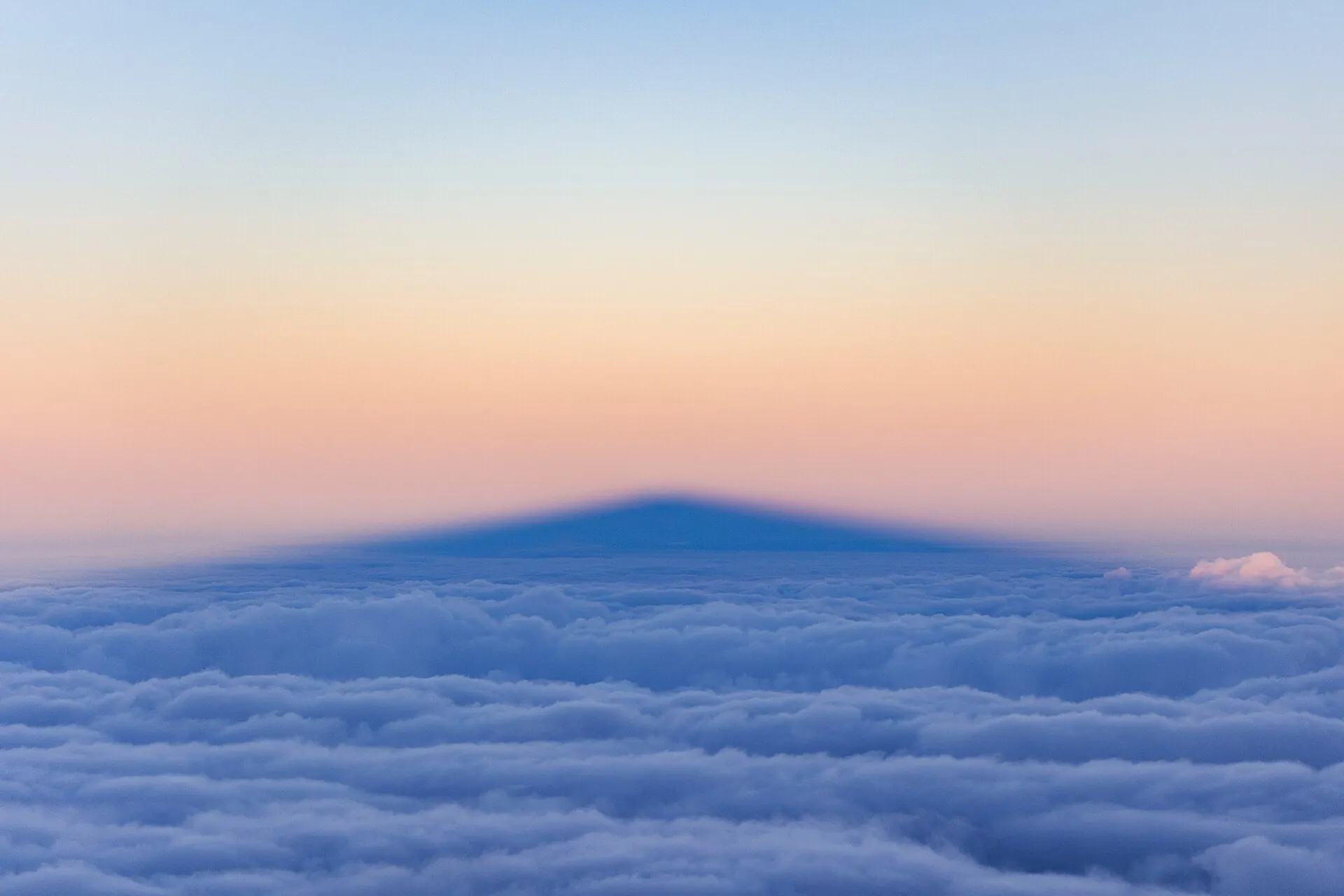
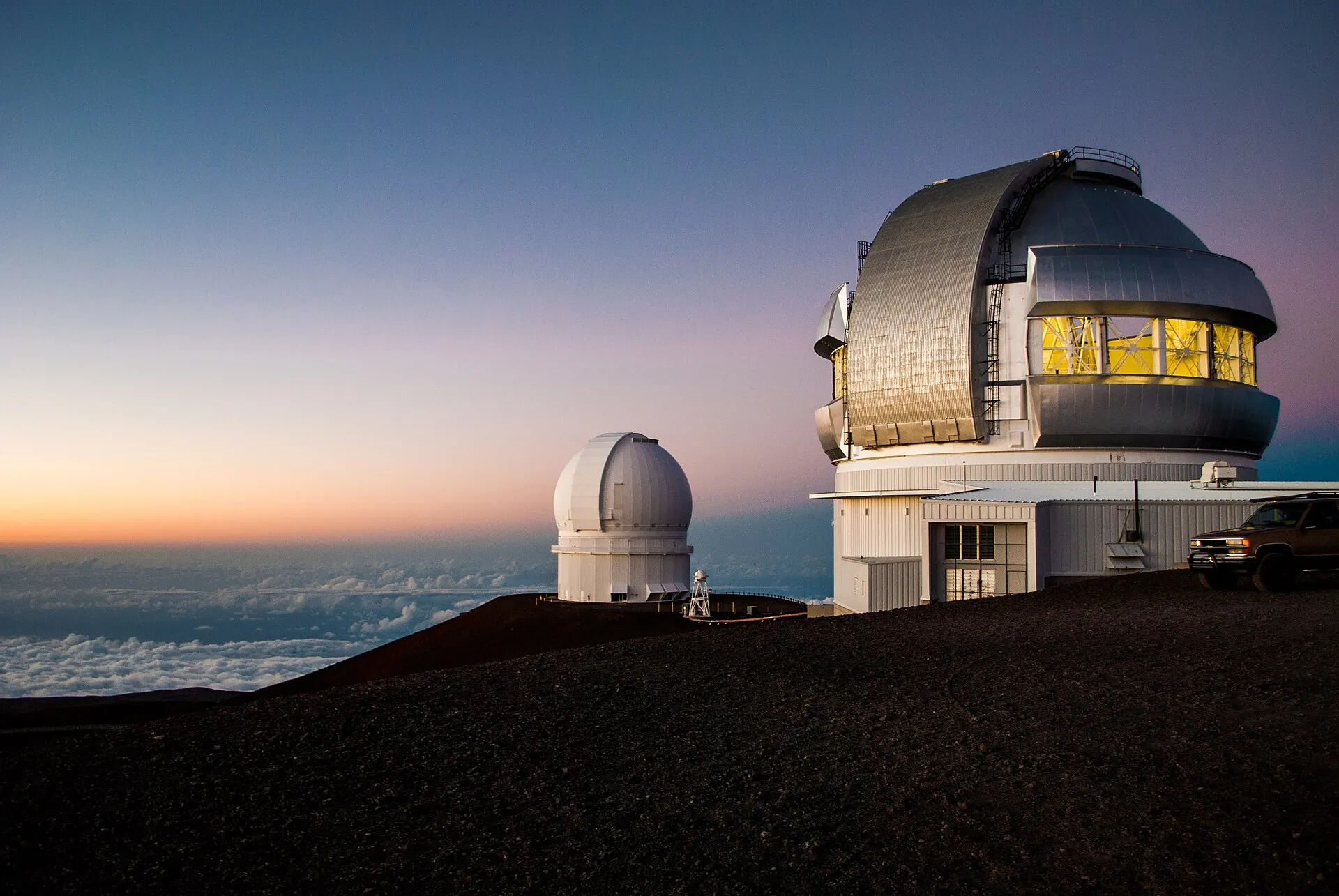
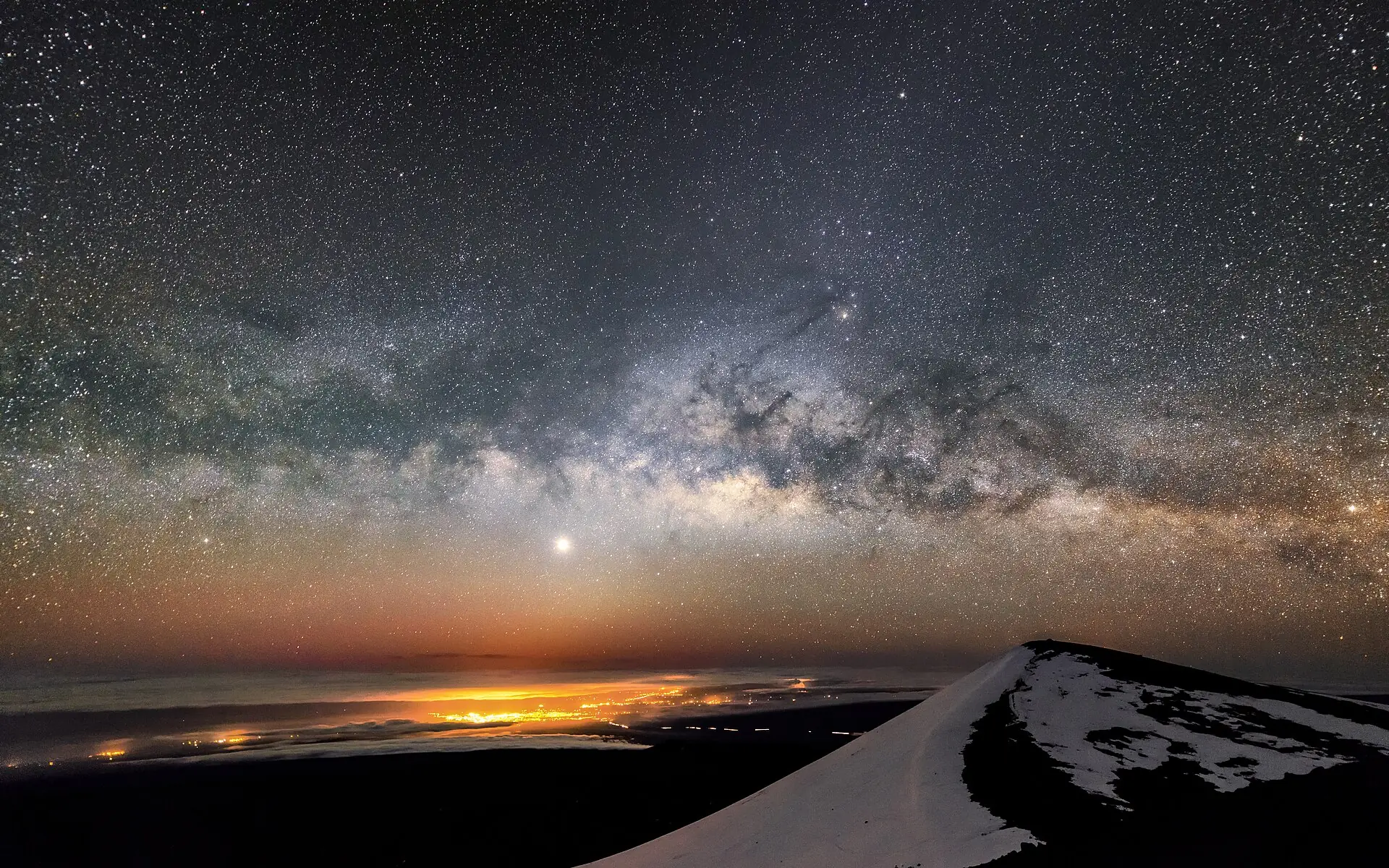
This morning you were on the beach. Now the cloud deck is below you.
At the summit you get thirty minutes after sunset – then everyone has to head down.
You watch the stars 4,600 feet lower. They are all still there.
Scroll –
the sun goes down
Mauna Kea costs nothing – no entrance fee, no reservation, no guide. What it has instead are rules that are stricter than on most volcanoes: any rental car can reach the Visitor Information Station at 9,200 ft (2,804 m). The last eight miles to the summit are allowed with four-wheel drive only, only after a 30-minute acclimatization stop, and only until 30 minutes after sunset. The volcano itself is dormant (USGS: NORMAL / GREEN, update of September 3, 2026) – what matters is altitude, weather and the road.
The paved access road is fine for ordinary cars. The station at Halepōhaku is open daily 9 am–9 pm, 365 days a year. No entrance, parking or registration fee.
4WD or AWD only, and only from 30 minutes before sunrise to 30 minutes after sunset. We cannot confirm today's road status: the managing agency's page showed only “n/a” when we checked. The road was closed after Hurricane Lala (August 2026); so far only a travel portal reports it open again.
After the end of twilight, staff point out the night sky – free and without registration, weather and staffing permitting. Only the monthly telescope event requires a reservation.
As of today there is none. According to a press report of July 10, 2026, the Department of Hawaiian Home Lands has two proposals for a toll station before it; the Hawaiian Homes Commission intends to decide on October 20, 2026. No amount has been set.
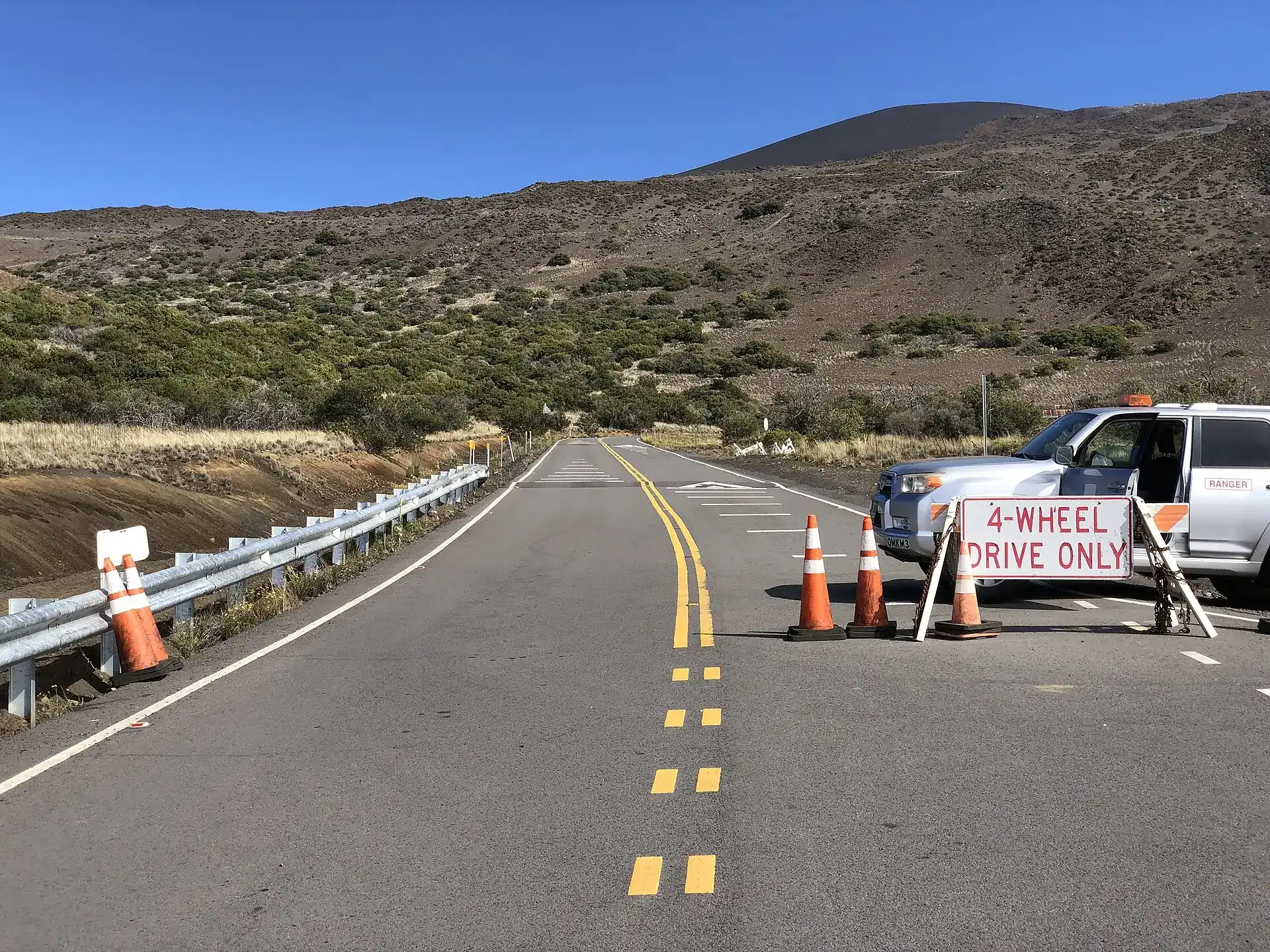
Photo: Famartin · CC BY-SA 4.0
You start at sea level and stand at 13,800 ft (4,200 m) the same afternoon. There is about 40 percent less oxygen up there than on the beach; a few steps are enough to leave you out of breath. Freezing temperatures are possible all year, and it is windy. The clouds are below you, and the observatory domes turn orange, then pink.
And then it is over quickly: the summit has to be cleared 30 minutes after sunset. When people say “stargazing on Mauna Kea,” what they actually mean is the Visitor Information Station at 9,200 ft (2,800 m) – you are still above the clouds there, and the program is free.
That is exactly why a guided Mauna Kea sunset tour or stargazing tour is, for once, our honest first recommendation. It solves the problems that stop people who drive themselves: a four-wheel-drive vehicle the rangers will let through, the descent in the dark in 4WD low, the acclimatization stop built into the schedule. Commercial tours may only be run by operators holding a University of Hawaiʻi permit, and the university is not issuing new permits at present – so the selection is small. Whether parkas, telescopes or dinner are included is stated in each tour description; also check whether the title says “summit.” Not every Mauna Kea tour goes to the top.
Without four-wheel drive and without a tour, there is the station. That is not a consolation prize: sunset and the stargazing program are free there.
Affiliate links to GetYourGuide: if you book, we earn a commission and the price stays the same. Prices and ratings as of 21 September 2026. In snow, ice or high wind the rangers close the summit road – for tours too. The health rules (under 13, pregnancy, heart and lungs, scuba diving) apply to tour guests just the same.
Since January 23, 2020, the administrative rules HAR 20-26 have applied on the mountain – with fines. Six rules decide whether you make it to the top.
The rule explicitly prohibits two-wheel-drive vehicles above Halepōhaku; the managing agency requires “reliable, fully functional 4WD or AWD vehicles.” Check your rental agreement to see whether the summit road is permitted and insured.
At least half an hour of acclimatization at 9,200 ft (2,804 m) before you continue. If you are coming straight from the beach, plan an hour. With a headache, nausea or drowsiness, the only remedy is to drive down.
Children under 13, pregnant women, and people with high blood pressure or heart or respiratory conditions. And: anyone who has been scuba diving must not go up for 24 hours – above 13,000 ft the risk is decompression sickness.
Access from 30 minutes before sunrise until 30 minutes after sunset. After that, all visitors have to leave. The station below stays open until 9 pm.
Mud-caked vehicles are not allowed up because of invasive species. There is no fuel on the mountain; the agency recommends at least half a tank from the station. Help can be “hours away.”
Almost 5,000 ft (1,500 m) of elevation over 8 miles, partly unpaved. Low gear, low range, only light touches on the brake – the agency explicitly warns of overheated and failing brakes.
| Access road, parking and the Visitor Information Station | $0 |
| Driving to the summit in your own four-wheel-drive vehicle · a toll is under discussion, decision no earlier than October 20, 2026 | $0 |
| Nightly stargazing at the station, no registration | $0 |
| Monthly telescope event at the station, reservation required | $0 |
| Fine for minor violations (litter, parking, noise, camping): first violation | $50–$400 |
| Fine for serious violations (damage to natural or cultural resources, among others): first · second · third and later | $2,500 · $5,000 · $10,000 |
For Native Hawaiians, Mauna Kea is a sacred mountain and the summit area is sacred ground. That is not folklore for visitors; it is the reason behind some of the rules.
Stay on roads and designated trails. Do not touch stone altars (ahu) or offerings, take nothing with you, and bring no material onto the mountain. Lake Waiau is considered especially sacred in Hawaiian culture: do not enter the water and leave nothing behind.
The question of whom the mountain serves – since the 1960s one of the world's most important observatory sites has been built here, and the planned Thirty Meter Telescope set off sustained protests from 2013 on – also shapes how it is managed. In 2022, Hawaii created the Maunakea Stewardship and Oversight Authority with Act 255; it manages the mountain jointly with the university and takes over completely by July 1, 2028 at the latest.
Three routes lead to the top, a fourth only to a lake. None of them costs anything, and none of them is harmless.
| Maunakea Access Road: Saddle Road turnoff → Visitor Information Station (9,200 ft / 2,804 m) | About 6 miles (10 km), paved all the way, fine for ordinary cars. Station open daily 9 am–9 pm. The parking areas have been rebuilt and double as the acclimatization area. |
| Summit Access Road: station (9,200 ft) → summit area with the observatories | 8 miles (about 13 km) with almost 5,000 ft (1,500 m) of climbing, partly unpaved and single-lane there. 4WD/AWD only, daylight only. Rangers close it for snow, ice, storms or road damage. |
| Humuʻula Trail: on foot from the station | 8 hours round trip on average (5 up, 3 down) with about 4,600 ft (1,400 m) of climbing – a serious high-altitude hike. Registration at the station is mandatory (hand the form to a ranger or drop it in the box). Stay on designated routes, never go alone, and plan your descent before summit hours end. |
| Side trip to Lake Waiau: from a pullout on the summit road | About half a mile (0.8 km), around 30 minutes. A sacred place – do not enter the water, leave nothing behind. |
| Guided Mauna Kea summit tour with a permitted operator: from hotels in Kona, Waikoloa or Hilo | Summit for sunset, then stargazing lower down. Only operators holding a University of Hawaiʻi permit. The agency does not publish an official list of operators or prices; the prices on this page come from the listings on GetYourGuide. |
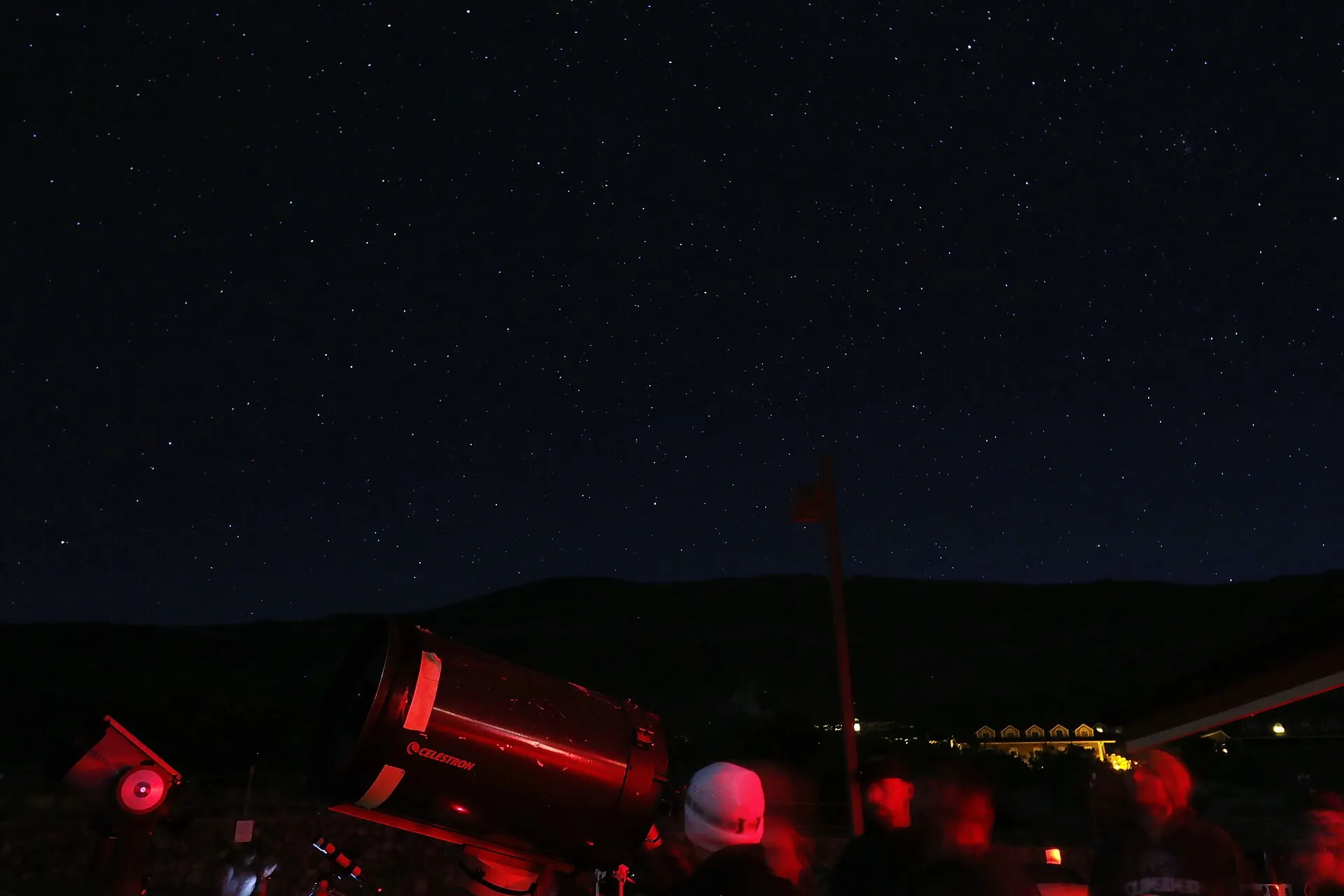
Photo: Robert Linsdell · CC BY 2.0
Without a car: No public transportation to the VIS or the summit.
By car: Take Saddle Road (Daniel K. Inouye Highway, Hwy 200) to the Maunakea Access Road turnoff, then about 6 paved miles uphill to the VIS. Fill up beforehand (Hilo, Waimea or Kona) – the CMS recommends at least half a tank from the VIS. The parking areas at the VIS have been rebuilt and double as the acclimatization area.
Sunset is the classic: arrive at the VIS in the afternoon, acclimatize for at least 30 minutes, drive up – and start back down no later than 30 minutes after sunset. After that you watch the stars at the VIS (until 9 pm), not at the summit. Sunrise is quieter; the road opens 30 minutes before. For the night sky, choose new-moon nights. According to the CMS, winter conditions with freezing temperatures and storms can occur at any time and close the summit road; in August 2026, Hurricane Lala shut the mountain down.
These listings do not have the summit in their titles – they focus on the night sky, a hike or photos. Before you book, read how high the tour actually goes. And remember: the stargazing program at the Visitor Information Station is free.
Affiliate links to GetYourGuide: if you book, we earn a commission and the price stays the same. Prices and ratings as of 21 September 2026. Whether the sky is clear is up to the weather.
If you do not have a four-wheel-drive rental, it is the only way to be driven to the summit – and often the better choice anyway: the vehicle, the acclimatization stop and the descent in the dark are the operator's job. Commercial tours may only be run by operators with a University of Hawaiʻi permit. What is included is stated in each description.
Yes, as far as the Visitor Information Station at 9,200 ft (2,804 m), in any car. Above that, two-wheel drive is prohibited by administrative rule. There is no official ride-sharing arrangement from the station.
Freezing temperatures are possible at the summit all year, with strong wind on top. The managing agency mentions winter storms with winds over 100 mph. Pack a winter jacket, hat, gloves and long pants – even if you were on the beach an hour earlier.
Sunset is the classic, followed by the stargazing program at the station. Sunrise is quieter; the summit road opens 30 minutes before. For the night sky, pick nights around the new moon.
No. The evening program at the Visitor Information Station is free and needs no registration, but it depends on weather and staffing. Only the telescope event held once a month has to be reserved.
As far as the Visitor Information Station at 9,200 ft (2,800 m), in any car. For the summit road above it, four-wheel-drive vehicles (4WD or AWD) are required, and two-wheel drive is prohibited by administrative rule. You should also check your rental agreement to see whether the road is permitted and insured.
Nothing. The access road, parking, the Visitor Information Station and the evening stargazing program are free, and no reservation is needed. A toll on the access road is under discussion but had not been adopted as of September 2026.
No. If you drive yourself, all you need is a suitable four-wheel-drive vehicle and to follow the rules. Hikers must register with a form at the Visitor Information Station. Guided tours are an alternative for anyone without four-wheel drive.
The Center for Maunakea Stewardship requires a stop of at least 30 minutes at the Visitor Information Station. At the summit there is about 40% less oxygen than at sea level. With a headache, nausea or dizziness, the only remedy is to descend.
Going above 13,000 ft within 24 hours of a scuba dive puts you at risk of decompression sickness. The official rule is therefore: wait at least 24 hours after diving.
Until 30 minutes after sunset. After that, visitors must leave the summit. It opens 30 minutes before sunrise.
At the Visitor Information Station at 9,200 ft (2,800 m), which is open daily until 9 pm. After the end of twilight, staff use laser pointers to explain the sky – free and without registration, weather and staffing permitting. The monthly telescope event has to be reserved.
That changes daily with the weather. After Hurricane Lala in mid-August 2026 the road was closed because of landslides and fallen trees; travel portals report it open again as of September 20, 2026. The binding sources are the road status on the Center for Maunakea Stewardship website and the VIS information line.
It is dormant. The last eruption was 4,000 to 6,000 years ago, and the current USGS alert level is NORMAL / GREEN (update of September 3, 2026). The hazards on Mauna Kea are the altitude, the weather and the drive down – not the volcano.
The mountain is sacred to Native Hawaiians. Stay on roads and trails, do not touch stone altars or offerings, take nothing with you and bring nothing up. Drones, camping, open fires and alcohol are prohibited; violations cost $50 to $10,000 depending on severity.
Sources · accessed on 21 September 2026
.jpg)

.jpg)

_(21503282014).jpg)