How many active volcanoes are there in Italy?
About ten, depending on how you count: Etna, Stromboli, Vulcano, Vesuvius, Campi Flegrei and Ischia are the well-known ones on land, plus Pantelleria, Lipari and several submarine volcanoes in the Tyrrhenian Sea and the Strait of Sicily. Only two erupt regularly: Etna and Stromboli.
What is the most active volcano in Italy?
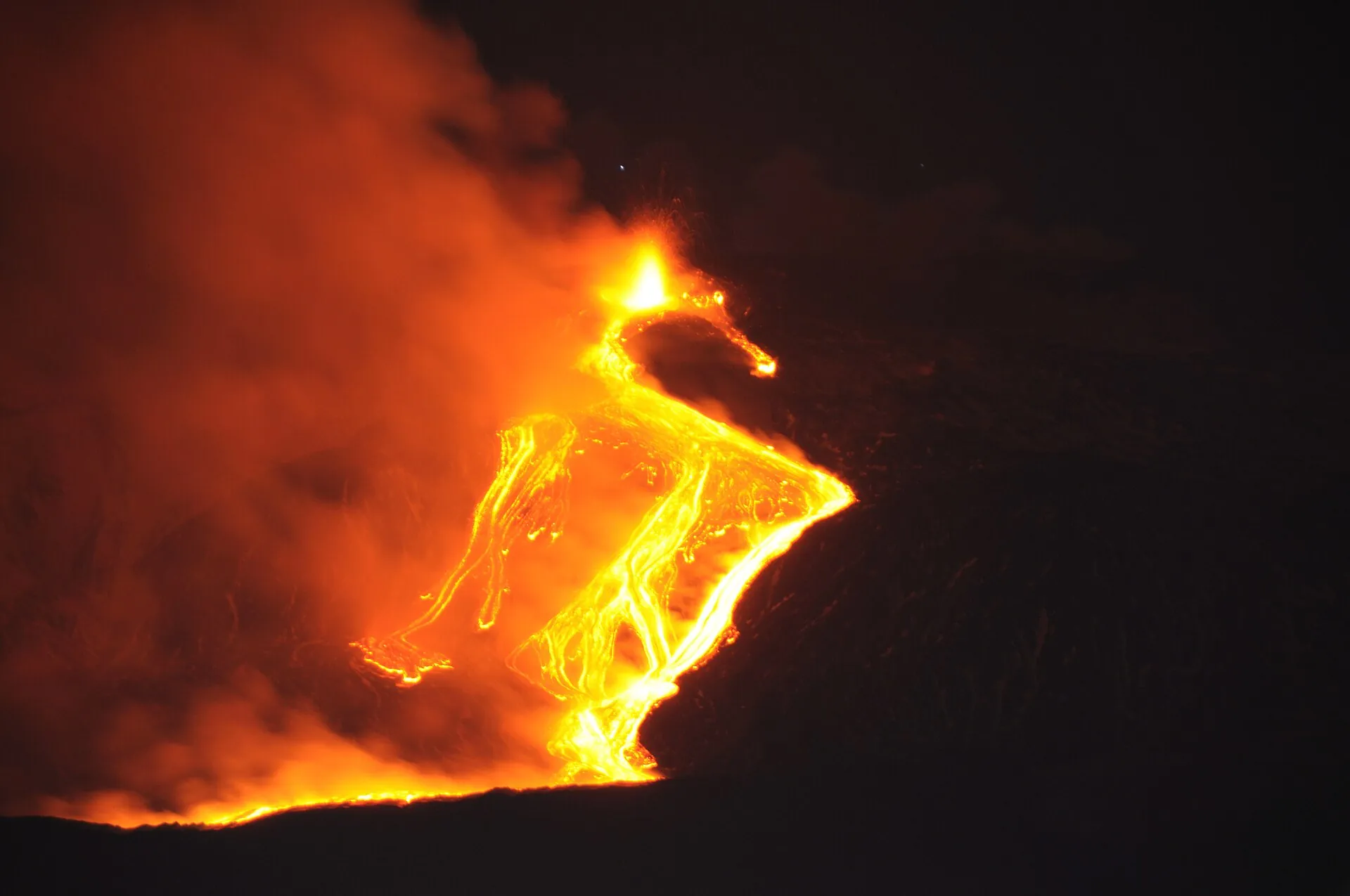
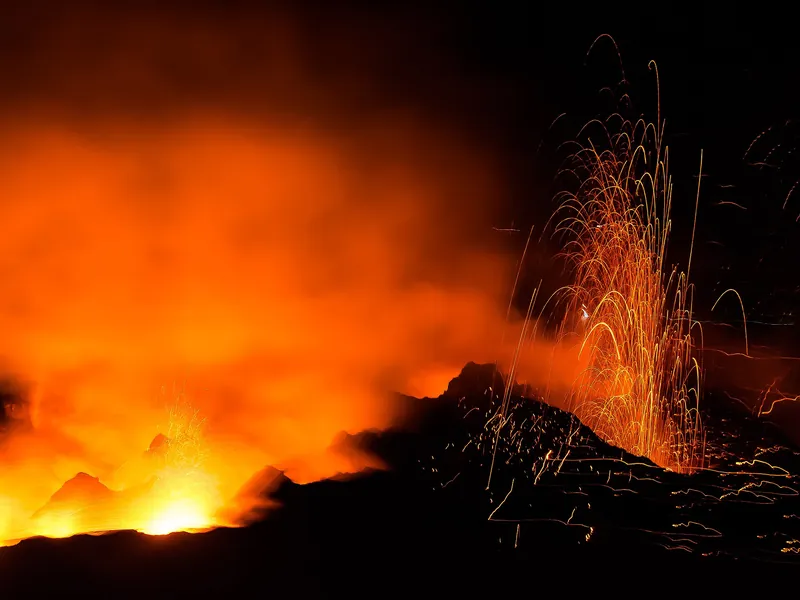
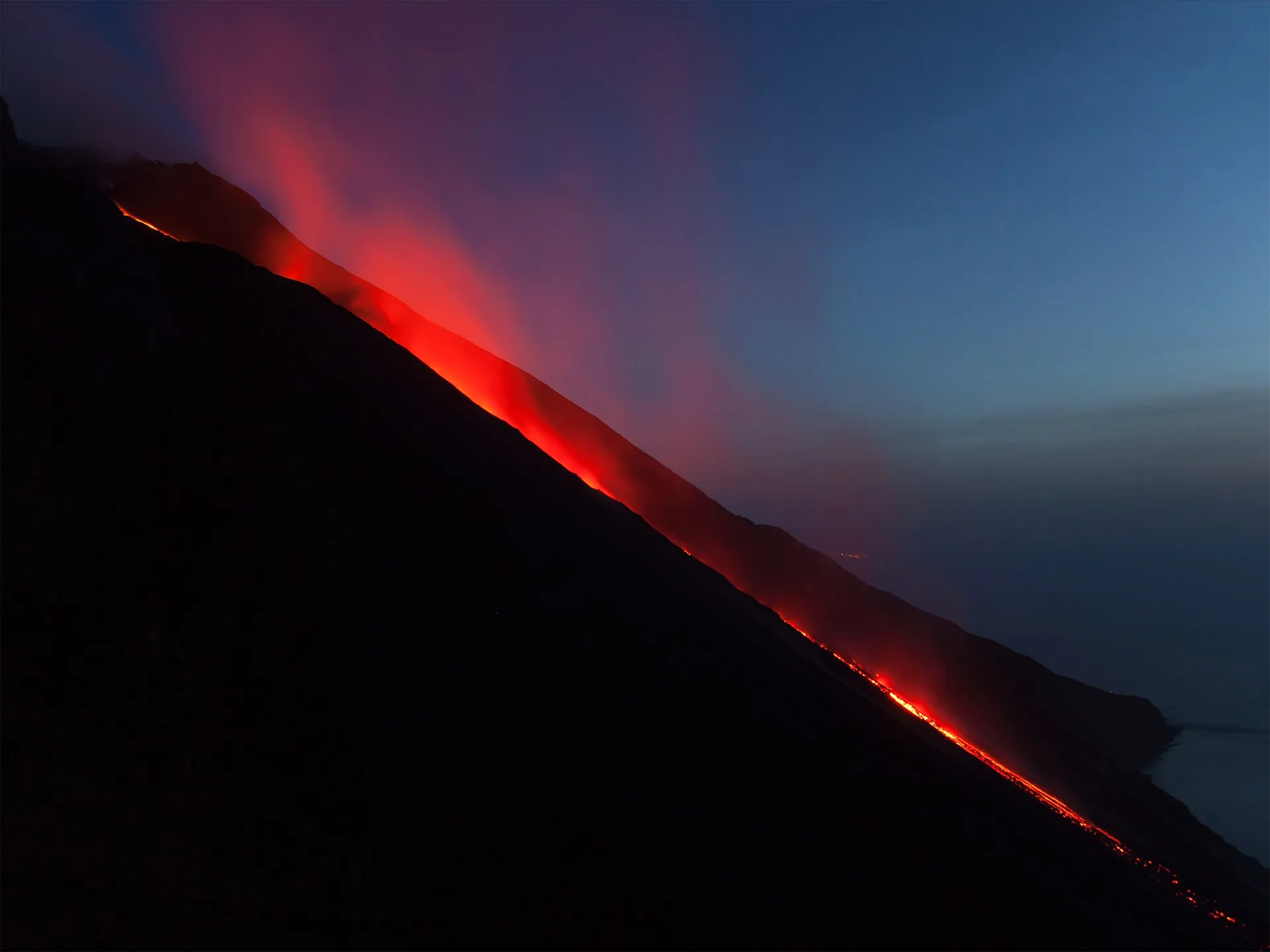
Etna, by volume: it erupts almost every year, in 2026 with a flank eruption in summer. Stromboli is the most persistent – small explosions every 10 to 20 minutes for at least two millennia.
Which volcano in Italy can you climb?
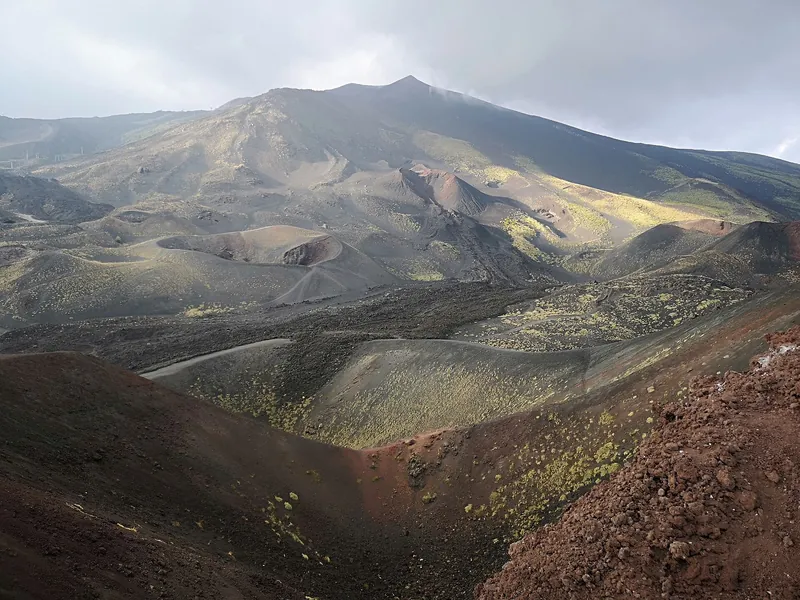
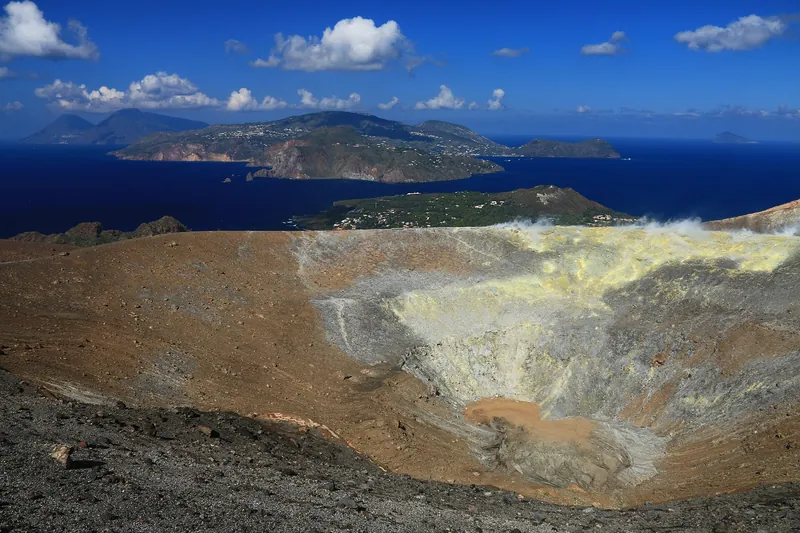
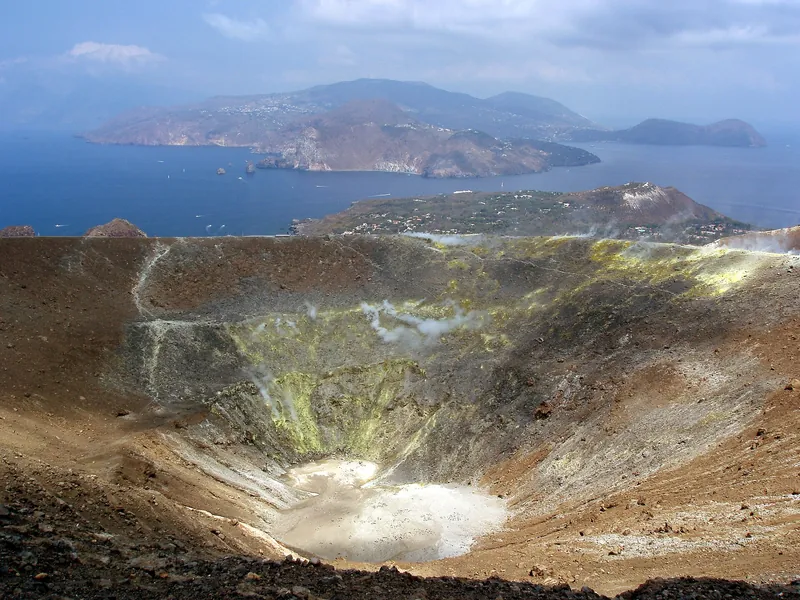
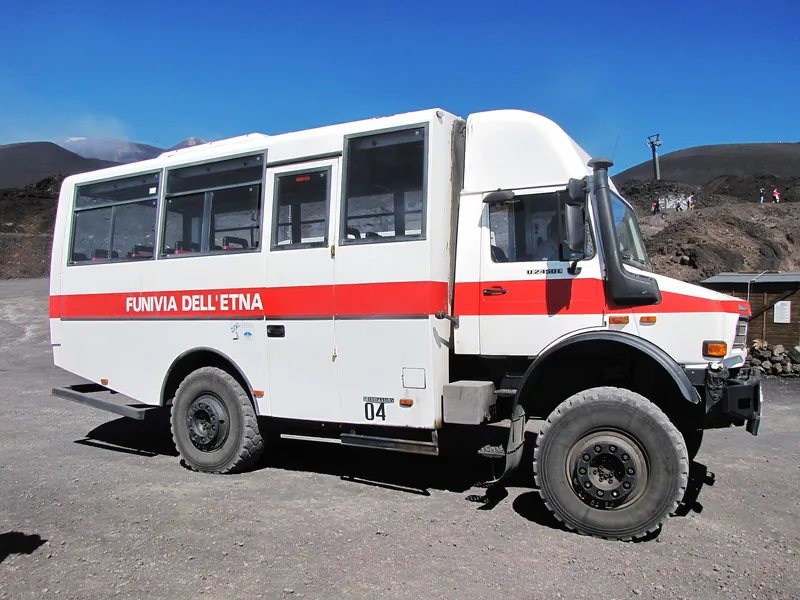
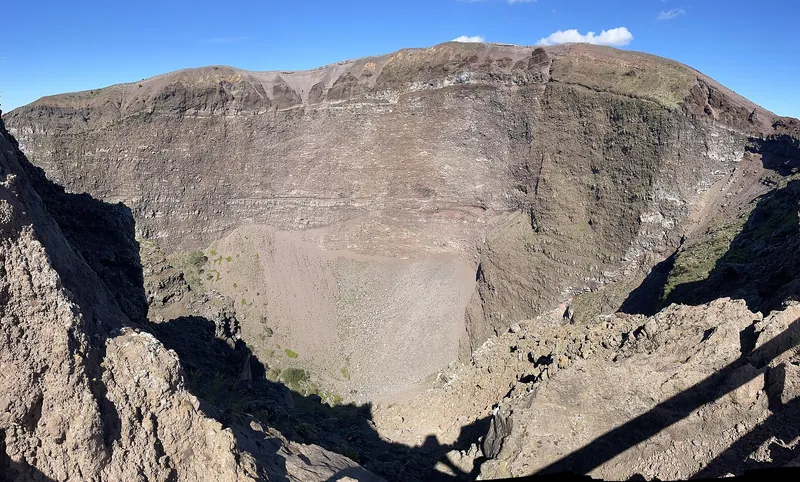
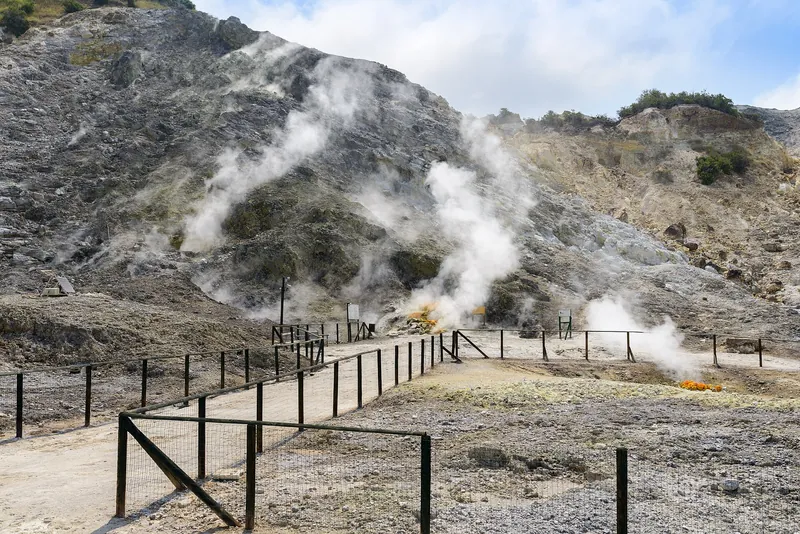
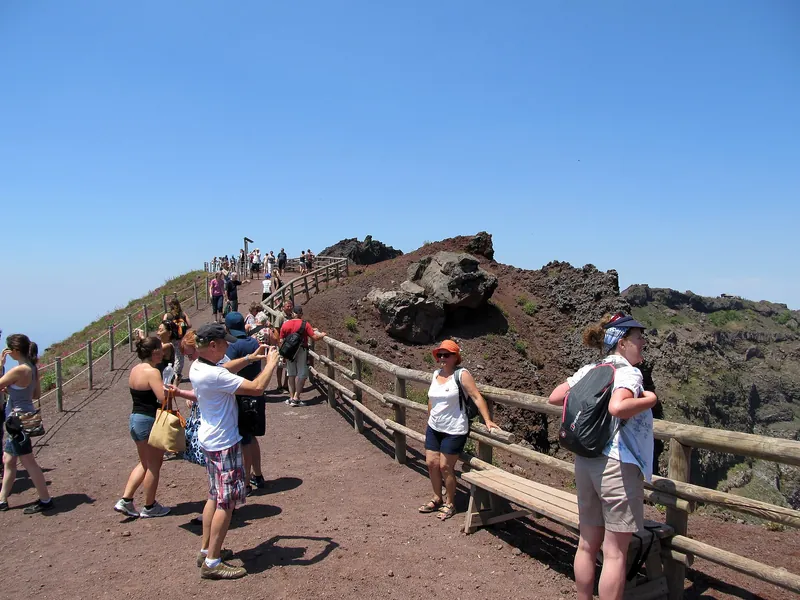
Vesuvius (crater trail with a ticket), Vulcano (into the crater, no guide, fixed hours), Stromboli (to 400 m, guide only), Etna (cable car and 4x4 bus to 3,000 m; summit craters only with a guide and only in the Attenzione phase). The Campi Flegrei have no summit, but Monte Nuovo has a loop trail.
Is it safe to visit the volcanoes in Italy?
In the areas that are open, yes. Italy closes consistently: Etna by alert phase, Stromboli by activity, Vulcano by gas readings, the Campi Flegrei by earthquakes. Today's alert levels are at the top of this page; what they mean for a visit is on each volcano's page.
Etna or Vesuvius – which is more worth it?
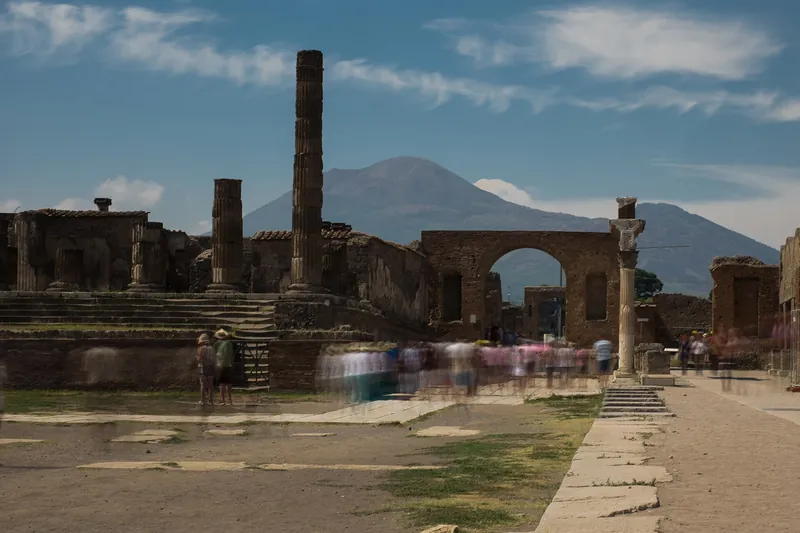
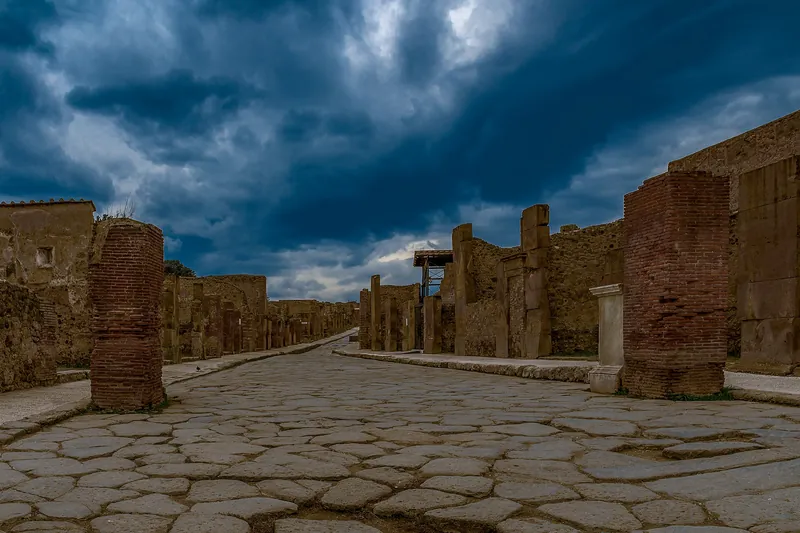
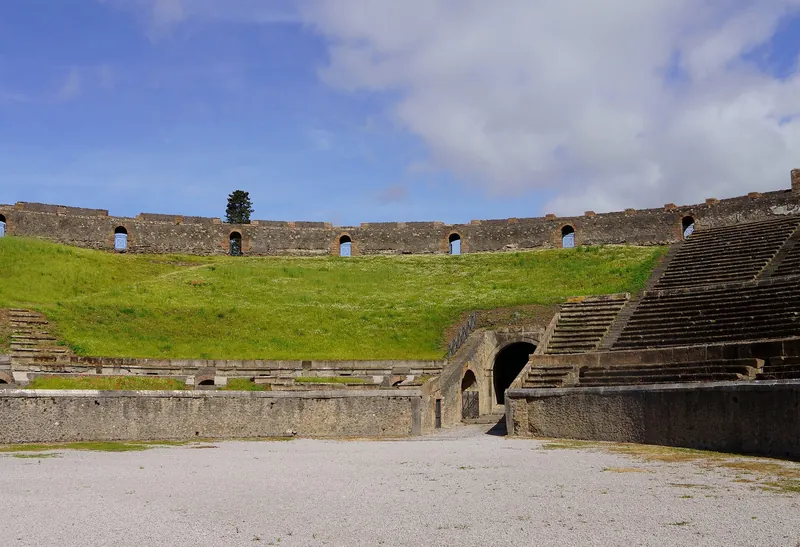
Etna is the volcano, Vesuvius is the excursion. On Etna you spend a day in a lava landscape at 3,000 m, with a chance of seeing the glow in the evening. Vesuvius takes two hours, but gives you the look into the crater and Pompeii next door. If you only go once: Etna for the volcano, Vesuvius for the combination with the buried cities.
.jpg)

.jpg)


.jpg)

.jpg)
.jpg)
_-_Arena_inside.jpg)
